

Table of Contents
- What Sensitive Skin Actually Needs from Clean Skincare
- Ingredients to Seek Out and Ingredients to Avoid
- Why Fragrance-Free Skincare UK Shoppers Should Prioritise It
- Clean Beauty Certification UK: What the Labels Actually Mean
- Best Clean Skincare for Sensitive Skin: Top Picks Compared
- How to Build a Sensitive Skin Routine That Actually Holds
- Conclusion
Last Updated: August 9, 2026
Sensitive skin is one of the most misunderstood skin types in the beauty industry. Shoppers with reactive, allergy-prone skin spend considerable sums on products labelled "natural" or "clean," only to experience the same redness, tightness, and irritation they were trying to escape. The problem is that "clean" has become a marketing term rather than a meaningful standard.
This guide cuts through that noise. Below, we compare the best clean skincare for sensitive skin available to UK shoppers in 2026, explain what your skin barrier actually needs, and give you a practical routine framework you can start using today.
Quick Picks:
- Best Intensive Repair: Virelle Snail Mucin Repair Cream (£18.99), richer formula for skin that needs extra care
- Best Daily Moisturiser: Virelle Snail Mucin Daily Moisturiser (£16.99), lightweight hydration for everyday use
- Best Body Treatment: Virelle Soothing Body Oil (£24.99), natural oils for dry, sensitive skin
- Best Gentle Cleanser: Virelle Pristine Soap Bar (£14.99), green clay, bamboo, and green tea formula
- Best Brightening Step: Virelle Turmeric Kojic Acid Cleansing Pads (£19.99), gentle exfoliation without irritation
What Sensitive Skin Actually Needs from Clean Skincare
Sensitive skin is a spectrum of reactive responses that can include redness, stinging, tightness, and inflammation, often triggered by ingredients, environmental stressors, or a compromised skin barrier.

Skin Barrier Damage: The Root Cause Most Products Ignore
The skin barrier is the outermost layer of the epidermis, a protective shield that regulates moisture retention and keeps irritants out. When damaged, the skin becomes hypersensitive: water escapes through transepidermal water loss, and external triggers penetrate more easily, setting off inflammation.
Most "soothing" products address the symptom rather than the cause. Genuine skin barrier repair requires ingredients like ceramides, emollients, and humectants that physically restore the barrier's lipid structure and maintain hydration.
The Psychological Toll of Chronic Skin Sensitivity
Chronic skin sensitivity affects daily decisions beyond skincare routines. Many people with reactive skin report anxiety around social situations, hesitation to try new products, and a cycle of hope and disappointment that erodes confidence. Skin is the body's largest and most visible organ. When it behaves unpredictably, it affects how people feel in professional and personal settings. Choosing skincare is an act of self-protection for someone whose skin has repeatedly reacted badly.
Ingredients to Seek Out and Ingredients to Avoid
The difference between genuinely effective clean skincare and good branding comes down to the ingredient list.
Ingredients That Calm and Repair
- Snail mucin: Rich in glycoproteins, hyaluronic acid, and glycolic acid, it supports skin barrier regeneration and gentle cell renewal.
- Ceramides: Lipid molecules critical to the skin barrier. Deficiency is directly linked to eczema and reactive skin.
- Aloe vera: A well-established botanical with calming and anti-inflammatory properties.
- Squalane: A plant-derived emollient that mimics the skin's own sebum. Non-comedogenic and exceptionally well-tolerated.
- Hyaluronic acid: A humectant that draws moisture into the skin. Effective at all concentrations and rarely sensitising.
- Green tea extract: An antioxidant-rich botanical that neutralises free radicals and reduces inflammation.
- Turmeric: Contains curcumin with documented calming and brightening properties.
Ingredient Interaction Guide: What Not to Combine
| Combination | Why It Causes Problems | What to Do Instead |
|---|---|---|
| Vitamin C + AHAs (same step) | Both are acidic; combining destabilises Vitamin C and over-exfoliates | Use Vitamin C in the morning, AHAs at night |
| Retinol + AHAs | Doubles exfoliation rate, increases irritation risk | Alternate nights, never layer simultaneously |
| Niacinamide + Vitamin C (high concentration) | Can cause flushing in some individuals | Use separately or choose lower-concentration formulas |
| Fragrance + active ingredients | Fragrance amplifies irritation from actives | Always choose fragrance-free formulas when using actives |
| Two exfoliating steps in one routine | Over-exfoliation strips the barrier faster than it regenerates | One exfoliant per routine, maximum three times per week |
Synthetic preservatives like parabens and artificial dyes are also worth avoiding if your skin is particularly reactive.

British Association of Dermatologists guidance on skin sensitisers and contact dermatitis
Why Fragrance-Free Skincare UK Shoppers Should Prioritise It
Fragrance is the single most common cause of cosmetic contact dermatitis in the UK. This applies to both synthetic fragrance and natural fragrance, including essential oils, which are frequently assumed safe because they are plant-derived.
Fragrance-free means no fragrance compounds have been added at all. This differs from "unscented," which often contains masking fragrances. For UK shoppers with sensitive skin, this distinction matters.
Fragrance-free formulas are also more compatible with active ingredients. When the skin is not managing a low-level inflammatory response to fragrance, it better absorbs and benefits from ceramides, snail mucin, or botanical extracts. According to Allergy UK's guidance on fragrance allergy, fragrance is among the most prevalent allergens in personal care products.
Clean Beauty Certification UK: What the Labels Actually Mean
Clean beauty certification in the UK is not regulated by a single government body. A product can call itself "clean," "natural," or "organic" without meeting standardised criteria unless it carries third-party certification.
The certifications worth recognising are:
- COSMOS Organic / COSMOS Natural (Soil Association certified): The most rigorous standard available to UK consumers. COSMOS Organic requires a minimum percentage of organic ingredients and prohibits synthetic preservatives, artificial dyes, and certain petrochemicals.
- Allergy UK Seal of Approval: Indicates the product has been independently assessed as suitable for allergy-prone skin.
- Leaping Bunny: Cruelty-free certification, often accompanying genuinely transparent brands.
- Dermatologist tested: A claim, not a certification. It means a dermatologist was involved in testing but does not specify what was tested or to what standard.
The Soil Association COSMOS certification standards provides the most meaningful benchmark for UK shoppers. Non-toxic and hypoallergenic are marketing terms with no legal definition in the UK.
Best Clean Skincare for Sensitive Skin: Top Picks Compared
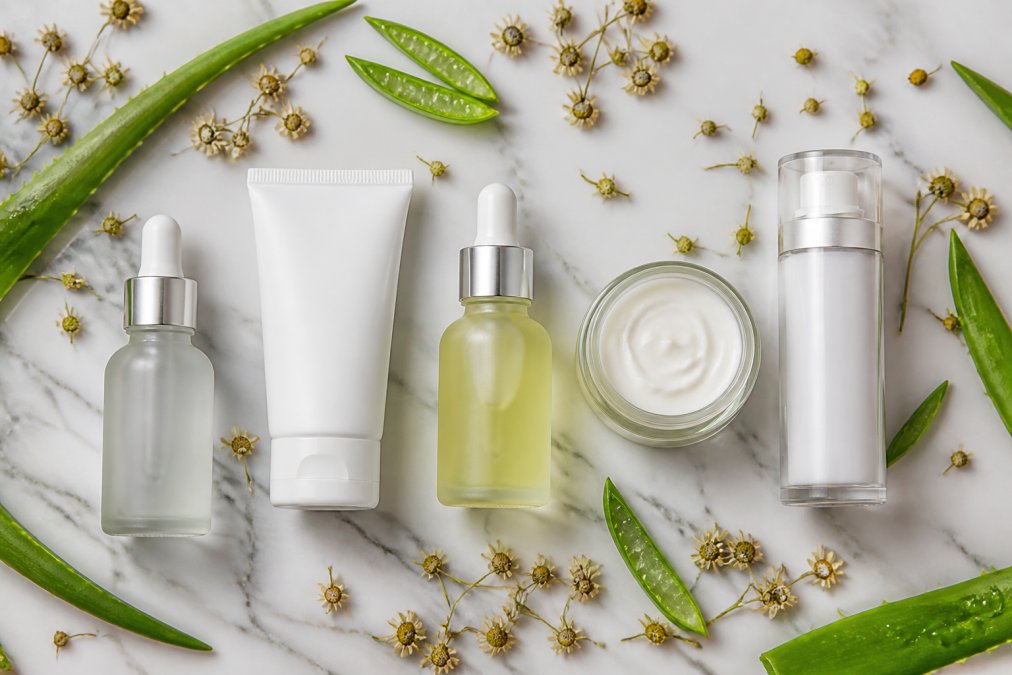
The five products below represent virelle beauty's curated selection for sensitive, reactive skin. Each has been chosen for ingredient integrity, formulation logic, and suitability for skin barrier repair.
| Product | Price | Best For | Key Ingredient |
|---|---|---|---|
| Snail Mucin Repair Cream | £18.99 | Intensive barrier repair | Snail mucin |
| Snail Mucin Daily Moisturiser | £16.99 | Everyday hydration | Snail mucin, humectants |
| Soothing Body Oil | £24.99 | Dry, sensitive body skin | Natural oil blend |
| Pristine Soap Bar | £14.99 | Gentle daily cleansing | Green clay, green tea |
| Turmeric Kojic Acid Cleansing Pads | £19.99 | Brightening and gentle exfoliation | Turmeric, kojic acid |
1. Virelle Snail Mucin Repair Cream (£18.99)
The Repair Cream is designed specifically for compromised, reactive, or recovering skin. Snail mucin contains glycoproteins, hyaluronic acid, and natural growth factors that support barrier regeneration rather than simply masking irritation. Reach for this when skin feels raw, tight, or shows signs of inflammation. The richer texture makes it particularly effective as a night treatment. Orders over £30 qualify for free shipping from virelle beauty.

Best for: Skin in active recovery, eczema-prone or rosacea-prone skin, winter routines.
Virelle Snail Mucin Repair Cream, £18.99
2. Virelle Snail Mucin Daily Moisturiser (£16.99)
Where the Repair Cream is intensive, the Daily Moisturiser is designed for everyday use. The lightweight, fast-absorbing formula works well for anyone who layers products or wears SPF. Snail mucin fills micro-damage in the skin's surface, supporting hydration and smoother texture over time without heaviness. Many people benefit from using both, rotating based on skin behaviour.
Best for: Daily use across all seasons, combination skin types, anyone transitioning from heavier moisturisers.
Virelle Snail Mucin Daily Moisturiser, £16.99
3. Virelle Soothing Body Oil (£24.99)
Sensitive skin does not stop at the jawline, but most sensitive skin ranges treat the body as an afterthought. The Soothing Body Oil addresses this gap with a blend of natural oils formulated to restore moisture balance on larger surface areas, particularly in colder months. The oil absorbs without leaving a greasy residue. For skin prone to dryness or eczema flare-ups, applying it to damp skin directly after bathing gives the best results.
Best for: Dry body skin, post-shower application, eczema or psoriasis on the body.
Virelle Soothing Body Oil, £24.99
4. Virelle Pristine Soap Bar (£14.99)
The cleanser is where most sensitive skin routines go wrong first. Conventional soap bars are alkaline, disrupting the skin's naturally acidic pH and damaging the barrier. The Pristine Soap Bar avoids this with green clay, bamboo, and green tea: a combination that cleanses without stripping. Green clay draws out impurities without aggressive surfactants. Green tea provides antioxidant protection and calming properties.
Best for: Sensitive skin reacting to conventional cleansers, those avoiding synthetic preservatives, everyday face and body cleansing.
Virelle Pristine Soap Bar, £14.99
5. Virelle Turmeric Kojic Acid Cleansing Pads (£19.99)
Exfoliation is the step most people with sensitive skin either skip or overdo. The Turmeric Kojic Acid Cleansing Pads offer a middle path: a 50-piece set designed to gently exfoliate, brighten, and purify without inflammation risk. Turmeric brings calming and brightening properties to the exfoliation step, counteracting irritation risk. Kojic acid addresses uneven skin tone and post-inflammatory hyperpigmentation. Use two to three times per week for reactive skin.
Best for: Uneven skin tone, post-inflammatory marks, anyone who has found chemical exfoliants too harsh.
Virelle Turmeric Kojic Acid Cleansing Pads, £19.99
How to Build a Sensitive Skin Routine That Actually Holds
The most common mistake is adding too many products too quickly. A routine that holds is one the skin can tolerate consistently. Start with three products: a gentle cleanser, a barrier-supporting moisturiser, and an SPF. Introduce one new product at a time, with a minimum of two weeks between additions.
A functional morning routine for sensitive skin:
- Gentle cleanse with the Pristine Soap Bar or water rinse if skin is not particularly oily
- Apply the Snail Mucin Daily Moisturiser while skin is still slightly damp
- Follow with a mineral SPF (broad-spectrum, fragrance-free)
Evening routine:
- Double cleanse if wearing SPF or makeup: oil-based cleanser first, then the Soap Bar
- Apply the Snail Mucin Repair Cream as a treatment step
- Use the Soothing Body Oil on any dry or reactive body areas post-shower
- Use the Cleansing Pads two to three evenings per week, before moisturiser
How to Patch Test New Products Correctly
Patch testing is the single most effective way to reduce the risk of a full-face reaction. Apply a small amount of the new product to the inner forearm or behind the ear. Leave it for 24 hours without washing the area. If no reaction occurs, repeat for a second day. Only introduce the product to your face after 48 hours with no response. For skin prone to delayed reactions, extend this to 72 hours.
Cost-Per-Use: Spending Less by Buying Smarter
The upfront price of a clean skincare product rarely reflects its actual cost. A £14.99 soap bar used daily for eight weeks costs less per use than a £6.99 conventional cleanser that runs out in three weeks.
Orders over £30 qualify for free UK shipping. Pairing the Daily Moisturiser with the Soap Bar brings the total to £31.98 with no delivery cost. The NHS guidance on managing eczema and sensitive skin at home notes that consistent use of appropriate emollients is more effective than intermittent use of multiple products.
Sensitive skin deserves more than a label. The products in this guide address the actual mechanics of skin barrier damage, not just the surface appearance of calm skin. If you have been cycling through products that promise results and deliver disappointment, the virelle beauty range offers a more considered starting point: no fillers, no fragrance, and no false promises. Explore the full collection at virellebeauty.co.uk, where free UK shipping applies to orders over £30.
Frequently Asked Questions
What skincare ingredients should sensitive skin avoid?
Sensitive and reactive skin tends to flare when exposed to synthetic fragrances, artificial dyes, alcohol (particularly denatured alcohol), and synthetic preservatives such as parabens. Harsh exfoliants like high-concentration AHAs and physical scrubs can also compromise the skin barrier. For those with rosacea or eczema, even some botanical extracts and essential oils can trigger inflammation. Sticking to fragrance-free, alcohol-free formulas with a short, transparent ingredient list reduces the risk of irritation significantly.
How do I know if a skincare brand is truly 'clean'?
In the UK, look for recognised clean beauty certification from bodies such as the Soil Association COSMOS standard, which independently verifies organic and natural claims. Brands carrying COSMOS Organic or COSMOS Natural certification have had their formulas and supply chains audited. Beyond certification, check that the brand publishes a full ingredient list (INCI format), avoids synthetic preservatives and artificial dyes, and is transparent about sourcing. Marketing terms like 'natural' or 'clean' carry no legal definition in the UK without third-party verification.
Is organic skincare better for sensitive skin?
Certified organic skincare for sensitive skin removes many common irritants, including synthetic pesticide residues, artificial dyes, and synthetic preservatives. That said, organic does not automatically mean hypoallergenic. Some organic botanical extracts and essential oils are potent allergens for allergy-prone individuals. The most important factor is a minimal, well-tested formula, whether organic or not, that is fragrance-free and dermatologist-tested. Organic certification adds a useful layer of ingredient transparency, but it should be one criterion among several.
Can clean beauty products cause allergic reactions?
Yes. Clean beauty products can still cause allergic reactions because many natural ingredients, including plant extracts, nut oils, and essential oils, are recognised allergens. The term 'clean' refers to the absence of certain synthetic chemicals, not to hypoallergenic status. Patch testing any new product before full application is essential for sensitive or allergy-prone skin. Apply a small amount to the inner forearm, wait 24 to 48 hours, and check for redness or irritation before using it on your face.
What is the best fragrance-free skincare routine for sensitive skin in the UK?
A simple, fragrance-free sensitive skin routine should include a gentle, pH-balanced cleanser that does not strip the skin barrier, a hydrating moisturiser containing ceramides, hyaluronic acid, or snail mucin to reduce transepidermal water loss, and an SPF 30 or above during the day. Keep the routine to three to four steps maximum. Introduce one new product at a time and always patch test first. Products available in the UK with these qualities include snail mucin moisturisers, soothing body oils, and gentle cleansing bars formulated without synthetic fragrance.
This article was written using GrandRanker
0 comments