

Table of Contents
- Causes of Hair Thinning in Women: What Is Actually Happening
- Ingredients to Look for in Hair Thickening Products for Women
- Best Shampoo for Thinning Hair Women: Top Picks Compared
- Best Scalp Serums and Treatments: Hair Thickening Products That Work Below the Surface
- Volumising Sprays and Styling Products for Fine Hair
- How to Make Fine Hair Look Thicker: Styling Techniques and Routine Tips
- Sustainability, Ethical Sourcing, and Clean Formulations
- Conclusion
Last Updated: August 7, 2026
Hair thickening products for women have become one of the fastest-growing categories in UK beauty. Hair thinning affects a significant proportion of women, yet the market remains crowded with products that overpromise and underdeliver. At virelle beauty, we believe the answer lies in understanding what causes thinning, identifying ingredients that genuinely work, and choosing products with real formulation integrity rather than clever marketing.
Quick Picks:
- Best Overall Scalp Serum: Philip Kingsley Density Preserving Scalp Drops - clinically tested, targeted, and formulated for sensitive scalps
- Best Budget Serum: The Ordinary Multi-Peptide Serum for Hair Density - serious actives at an accessible price
- Best Luxury Shampoo: Kérastase Densifique Bain Densité - hyaluronic acid-infused and genuinely bodifying
- Best Everyday Shampoo Duo: Watermans Grow Me Shampoo & Conditioner - sulphate-free, UK-made, and ingredient-led
- Best Styling Spray: Bumble and bumble Thickening Spray - immediate root lift for fine, limp hair
- Best Luxury Serum: MONPURE Follicle Boost Hair Density Serum - premium vegan formula with award-winning results
Causes of Hair Thinning in Women: What Is Actually Happening
Hair thinning occurs when the hair growth cycle is disrupted. The cycle has three phases: anagen (growth), catagen (transition), and telogen (rest and shedding). When disrupted, more hairs enter the telogen phase prematurely, resulting in increased shedding and reduced density.
Hormonal Changes and Age-Related Thinning
Hormonal fluctuations are among the most common causes. Oestrogen and progesterone support healthy hair growth; when levels drop during perimenopause and menopause, the hair growth cycle shortens and follicle activity slows. Post-pregnancy shedding is another well-documented trigger: elevated oestrogen during pregnancy extends the anagen phase, but after birth, hormone levels normalise rapidly and many hairs enter telogen simultaneously, producing alarming shedding around three to six months postpartum, though it is usually temporary.
Thyroid dysfunction also disrupts the hair growth cycle. If thinning is sudden, diffuse, and accompanied by fatigue or weight changes, consult a GP to rule out thyroid or other hormonal causes. The NHS guidance on hair loss in women outlines when thinning warrants medical investigation.
Nutritional Gaps, Stress, and the Hair Growth Cycle
Deficiencies in iron, ferritin, vitamin D, and zinc are frequently linked to hair shedding, particularly in the UK where vitamin D deficiency is widespread. Telogen effluvium, stress-related or nutritional hair shedding, can be triggered by significant physical or emotional stress, crash dieting, or illness, typically beginning two to four months after the triggering event.
Chronic stress elevates cortisol, which interferes with follicle function and scalp circulation. Managing stress and improving scalp health through targeted treatments are legitimate parts of a long-term approach to hair density.
Ingredients to Look for in Hair Thickening Products for Women
The most effective hair thickening products contain ingredients that work at the follicle level, not just on the hair shaft surface.
Peptide complexes such as REDENSYL, Procapil, CAPIXYL, and AnaGain have been developed specifically to target the scalp environment and support follicle activity. Caffeine is one of the most researched topical ingredients for hair density. Applied directly to the scalp, it penetrates the hair follicle and counteracts some effects of DHT, a hormone associated with follicle miniaturisation. The British Journal of Dermatology research on topical caffeine has published work on caffeine's effects on hair shaft elongation.
Biotin supports keratin infrastructure and may help improve hair texture and reduce breakage. Hyaluronic acid in scalp formulations maintains moisture balance, supporting a healthier environment for follicle activity. Zinc PCA and azelaic acid address scalp conditions that impede growth. Rosemary extract has attracted growing interest for follicle stimulation and has been compared favourably to minoxidil for mild to moderate hair thinning, though results require consistent application over several months.
Ingredient Safety and Sensitivity: What to Avoid
Sulphates, particularly sodium lauryl sulphate, strip the scalp of natural oils and disrupt the moisture barrier. Parabens and silicones are worth avoiding if you have a reactive scalp; silicones can build up over time and impede absorption of active ingredients. Fragrance is the most common cause of contact dermatitis in hair care products. If your scalp is sensitive, prioritise fragrance-free or minimally fragranced formulations.
Best Shampoo for Thinning Hair Women: Top Picks Compared
The best shampoo for thinning hair women combines gentle cleansing with actives that support scalp health and hair texture without weighing fine hair down.
1. Kérastase Densifique Bain Densité, Best Luxury Shampoo
Kérastase's Densifique Bain Densité is formulated with hyaluronic acid and Intra-Cylane, designed to plump and strengthen individual hair fibres. It lathers well, rinses cleanly, and leaves fine hair with genuine lift and body. At £30.50 for 250ml, the formulation genuinely addresses hair texture and moisture balance.
Pros: Adds resilience and bounce; leaves hair looking fuller. Cons: Will not address severe thinning on its own; higher price point.
2. Viviscal Gorgeous Growth Densifying Shampoo, Best for Everyday Use
Viviscal's densifying shampoo contains the proprietary Ana:Tel complex alongside biotin, keratin, and zinc. Designed for daily use, many users report visible improvement within the first few weeks. At £10.99 for 250ml, this is an accessible entry point into ingredient-led hair thickening.
Pros: Gentle daily use formula; leaves hair moisturised without weight. Cons: Best results within the full Viviscal system; individual results vary.
3. Watermans Grow Me Shampoo & Conditioner, Best for Scalp Health
Watermans takes a scalp-first approach. Their Grow Me duo is sulphate-free and enriched with biotin, rosemary, caffeine, and argan oil. Made in the UK and trusted by professionals, the set is priced at £29.95 for both products.
Pros: Sulphate-free and gentle; ingredient-led formulation; scalp-focused approach. Cons: Results are gradual; slightly more expensive than single-product options.
| Shampoo | Price | Key Actives | Best For |
|---|---|---|---|
| Kérastase Densifique Bain Densité | £30.50 / 250ml | Hyaluronic acid, Intra-Cylane | Fine hair needing body and resilience |
| Viviscal Densifying Shampoo | £10.99 / 250ml | Ana:Tel, biotin, keratin, zinc | Everyday gentle use, early-stage thinning |
| Watermans Grow Me Duo | £29.95 (set) | Biotin, rosemary, caffeine, argan oil | Scalp health and follicle support |
Best Scalp Serums and Treatments: Hair Thickening Products That Work Below the Surface
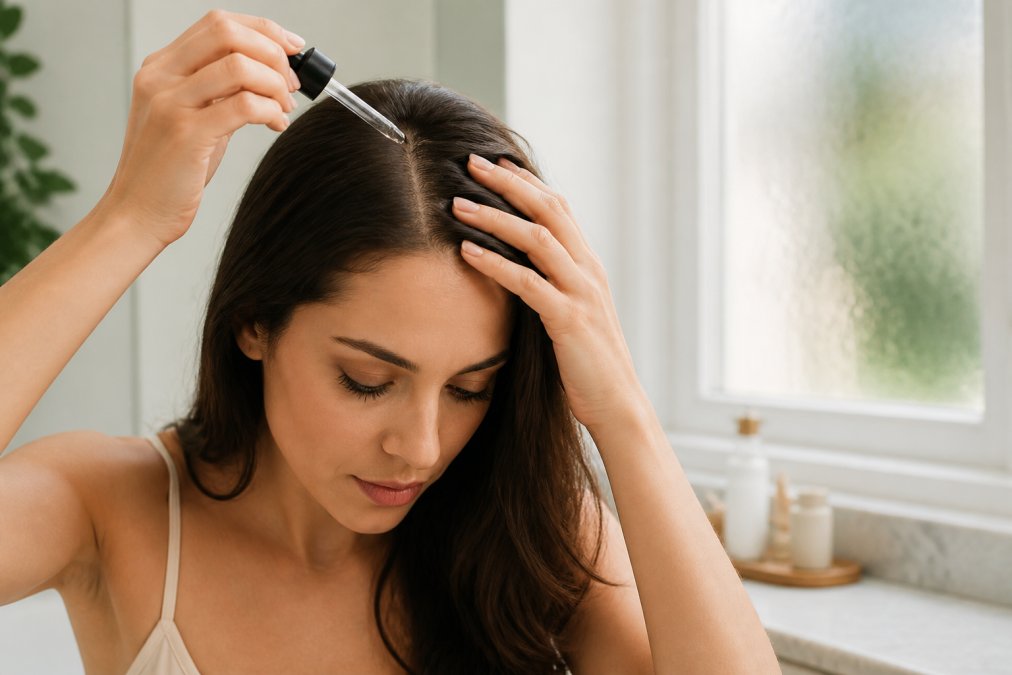
Scalp serums deliver actives directly to the follicle environment and maintain contact long enough for absorption. These are the hair thickening products that genuinely work below the surface.
1. Philip Kingsley Density Preserving Scalp Drops, Best Overall
Philip Kingsley's Density Preserving Scalp Drops contain a biomimetic peptide complex alongside azelaic acid, pyridoxine HCL, and zinc PCA. The formulation is clinically tested, free from parabens, sulphates, and silicones, and comes with a pipette for precise application. At £38.99 for 85ml, consistent use over at least three months is required. Some users report initial increased shedding in the first few weeks, a recognised adjustment response.
Pros: Clinically tested; lightweight and non-greasy; suitable for sensitive scalps. Cons: Requires three-plus months of consistent use; occasional initial shedding reported.
2. The Ordinary Multi-Peptide Serum for Hair Density, Best Budget Option
The Ordinary's Multi-Peptide Serum packs REDENSYL, Procapil, CAPIXYL, BAICAPIL, AnaGain, and high-solubility caffeine into a single leave-in formula at £10.99 for 60ml. Results require patience, but the ingredient list competes with products costing three to four times as much.
Pros: Exceptional value; well-researched actives; lightweight and residue-free. Cons: Long-term consistency required; texture not suited to all preferences.
3. MONPURE Follicle Boost Hair Density Serum, Best Luxury Option
MONPURE's Follicle Boost Serum is vegan, cruelty-free, and has been recognised as Best Hair Growth Serum by multiple UK publications. It soothes scalp irritation, reduces breakage, and improves hair smoothness and hydration alongside supporting density. At £96 for 100ml, this represents the upper tier of what is currently available.
Pros: Award-winning formula; addresses scalp irritation; improves smoothness and hydration. Cons: Very high price point; requires consistent use over several months.
4. Grow Gorgeous Intense Thickening Hair & Scalp Mask, Best Treatment Mask
Grow Gorgeous's Intense Thickening Mask combines caffeine with an oat lipids complex, hyaluronic acid, shea butter, pea peptides, and amino acids. It is vegan-friendly, free from parabens, sulphates, silicones, phthalates, and mineral oil, and priced at £8.99 for 200ml. This is a strong option for anyone who finds daily serum application unsustainable or who wants to supplement a serum routine with a deeper weekly treatment.
Pros: Nourishes scalp and hair simultaneously; promotes thicker appearance; leaves hair softer and shinier. Cons: Requires regular use for results; scent is noticeable.
Budget vs. Luxury: Do You Get What You Pay For?
The Ordinary's serum demonstrates that a budget price point does not preclude a genuinely strong active ingredient profile. Where luxury products justify their cost is typically in formulation elegance, texture, and proprietary ingredient technologies that have undergone independent clinical testing. For early-stage thinning, starting with a well-formulated budget option is sensible. For persistent thinning, investing in a clinically tested product is likely more productive.
Volumising Sprays and Styling Products for Fine Hair
Styling products deliver immediate, visible results: lift, body, and fuller-looking hair from the first application. They do not address the root cause of thinning, but they make a meaningful difference in daily appearance.
Bumble and bumble Thickening Spray, Best Everyday Volumiser
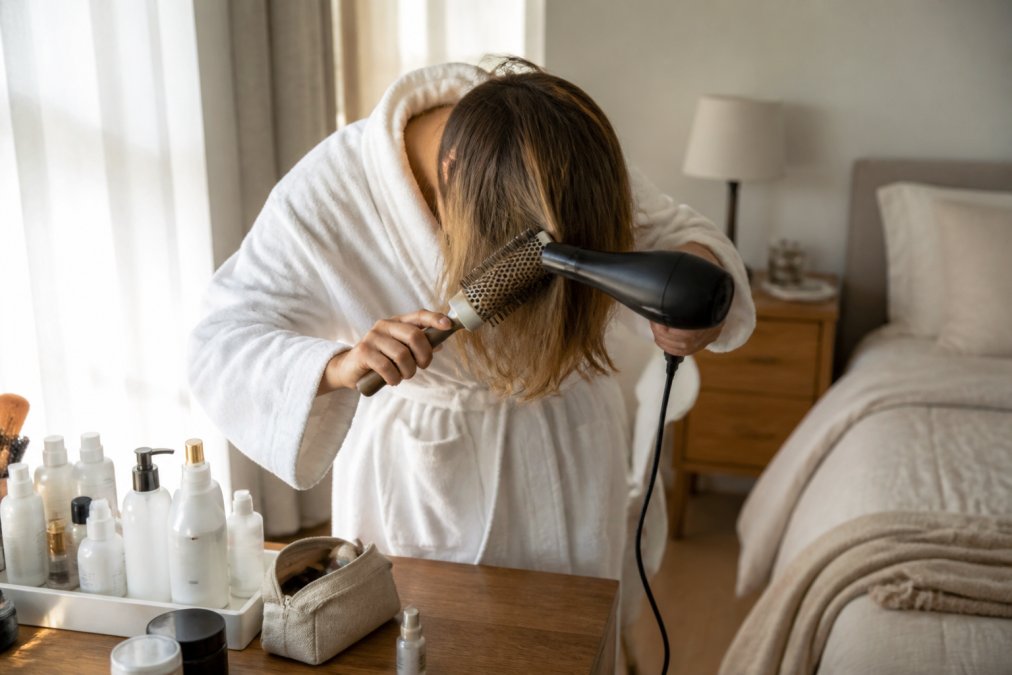
Bumble and bumble's Thickening Spray is applied before blow-drying. It works from root to tip, adding body and volume that lasts through the day. At £8.95 for 60ml, it is lightweight enough not to weigh fine hair down. Apply to damp hair, work through from roots to ends, and blow-dry with a round brush for maximum lift.
Pros: Immediate lift and fullness; long-lasting volume; strengthens strands over time. Cons: Styling product only, not a hair growth treatment; can leave residue if over-applied.
Oribe Maximista Thickening Spray, Best Luxury Volumiser
Oribe's Maximista delivers immediate lift and fullness through thickening copolymers, while watermelon, lychee, and edelweiss flower extracts provide longer-term strand strengthening. Heat and UV protection are built in. At £39 for 200ml, the formulation quality justifies the cost for those who style regularly.
Pros: Significant immediate volume; heat and UV protection; luxurious feel and scent. Cons: High price point; styling product rather than growth treatment.
How to Make Fine Hair Look Thicker: Styling Techniques and Routine Tips
Fine hair looks thicker when you work with its natural texture. The most effective approach combines the right products with consistent technique.
The most effective techniques for fine hair volume:
- Blow-dry upside down to lift roots before directing heat downward for the final finish
- Use a round brush at the roots during blow-drying to create lasting lift at the crown
- Apply a volumising spray or mousse to damp hair before drying, not dry hair after
- Avoid conditioner at the roots: apply from mid-lengths to ends only
- Use dry shampoo at the roots on second-day hair to add texture that mimics density
- Part your hair on the opposite side occasionally to create immediate volume
- Avoid heavy oils and serums on the scalp, which flatten fine hair and can contribute to scalp congestion
Keratin fibres offer an instant cosmetic solution for thinning crowns. These micro-fibres adhere to existing hair shafts via static charge and create the visual appearance of greater density. They are not a treatment, but as a confidence tool while longer-term products take effect, they are genuinely useful.
Sustainability, Ethical Sourcing, and Clean Formulations
Many of the best hair thickening products for women now carry meaningful sustainability credentials. The UK Government's Green Claims Code sets out clear requirements for how businesses must substantiate environmental claims. When evaluating products, look for specific certifications rather than general language.
What to look for in genuinely clean formulations:
- Vegan and cruelty-free certification from recognised bodies such as The Vegan Society or PETA
- Sulphate-free, paraben-free, and silicone-free formulations
- Recyclable or refillable packaging
- Transparent ingredient sourcing
- UK or EU manufacturing
Several products in this guide meet multiple criteria. Grow Gorgeous is vegan-friendly and free from six categories of commonly flagged ingredients. The Ordinary is cruelty-free and ingredient-transparent. Watermans is UK-made. MONPURE is vegan and cruelty-free.
A note on "dermatologist-tested" claims: this phrase has no regulated definition in the UK. Clinically tested with published results is a stronger indicator of formulation integrity.
| Product | Vegan | Sulphate-Free | Paraben-Free | UK-Made |
|---|---|---|---|---|
| The Ordinary Multi-Peptide Serum | Yes | Yes | Yes | No |
| Grow Gorgeous Thickening Mask | Yes | Yes | Yes | No |
| Watermans Grow Me Duo | No | Yes | Yes | Yes |
| MONPURE Follicle Boost Serum | Yes | Yes | Yes | No |
| Philip Kingsley Scalp Drops | No | Yes | Yes | No |
According to The British Association of Dermatologists guidance on scalp care, maintaining a healthy scalp environment is foundational to supporting hair density, and ingredient choice plays a meaningful role in scalp health outcomes.
Conclusion
Finding the right hair thickening products is difficult when the market is saturated with products that dress up basic formulations in premium packaging. The products in this guide have been assessed on ingredient quality, formulation transparency, and real-world results, not brand recognition or marketing spend.
virelle beauty curates hair care with exactly this standard in mind: no fillers, no false promises, and a selection chosen for visible, authentic results. Whether you are starting with The Ordinary's Multi-Peptide Serum as a low-commitment entry point or investing in Philip Kingsley's clinically tested Scalp Drops for persistent thinning, browse the virelle beauty hair care collection for products that earn their place in your routine, with free UK shipping on orders over £30.
Frequently Asked Questions
Do hair thickening products actually work?
Many hair thickening products for women do produce noticeable results, though the type of result depends on the product. Scalp serums containing peptide complexes, caffeine, or ingredients such as REDENSYL and Procapil are designed to support follicle health and reduce shedding over several months of consistent use. Volumising shampoos and thickening sprays deliver immediate lift and the appearance of fuller hair. Neither category replaces medical treatment for significant hair loss, but both can meaningfully improve hair density and texture with regular use.
What ingredients should I look for in hair thickening products?
For scalp treatments, look for biotin, zinc, peptide complexes such as REDENSYL or Procapil, caffeine for scalp circulation, and azelaic acid. For shampoos and conditioners, hyaluronic acid plumps the hair shaft, while keratin and amino acids improve elasticity and reduce breakage. Pea peptides and plant-based extracts support moisture balance without weighing fine hair down. If you have a sensitive scalp, prioritise formulas free from sulphates, parabens, and silicones to avoid irritation.
Can thin hair become thick again in females?
It depends on the cause. Hair thinning linked to nutritional deficiencies, stress, postpartum changes, or temporary hormonal shifts can often be reversed once the underlying issue is addressed, sometimes supported by targeted products. Age-related or genetic thinning is harder to reverse, but consistent use of clinically tested serums and thickening shampoos can slow further loss and improve the appearance of hair density. A GP or trichologist referral is advisable if shedding is sudden or severe, as some causes require medical treatment.
How often should I use hair thickening treatments?
Thickening shampoos can be used at every wash. Scalp serums are typically applied daily or several times per week, depending on the product instructions. Hair masks and intensive conditioners for thinning hair are generally most effective when used once or twice weekly. Volumising and thickening sprays are applied before styling as needed. Consistency matters more than frequency for serum-based treatments; most clinical results are observed after a minimum of eight to twelve weeks of regular use.
Are there any side effects to using hair thickening serums?
Most hair thickening serums are well tolerated, but some users report a temporary increase in shedding during the first few weeks of use, particularly with active peptide formulas. This is generally a sign the hair growth cycle is resetting rather than a cause for concern. Those with sensitive scalps should check formulations for potential irritants such as fragrances, alcohol, or certain preservatives. If scalp redness, itching, or persistent shedding occurs, stop use and consult a dermatologist or trichologist.
This article was written using GrandRanker
0 comments