

Table of Contents
- What Causes a Sensitive Scalp?
- How to Identify Sensitive Scalp Symptoms
- Key Ingredients in the Best Shampoos for Sensitive Scalp
-
The 5 Best Shampoos for Itchy Scalp and Sensitivity
- 1. EELHOE Hair Enrichment Moisturizes: Best for Soothing Irritability
- 2. Fragrance-Free Daily Cleanser: Best for Reactive Skin
- 3. Zinc Pyrithione Anti-Dandruff Shampoo: Best When Itch Comes With Flaking
- 4. Salicylic Acid Scalp Shampoo: Best for Buildup and Coating
- 5. Oat and Colloidal Oatmeal Shampoo: Best for Dry, Tight Scalps
- 6. Self Cleaning Hair Brush: A Gentle Detangling Companion
- 7. 1400W Ionic Hairdryer: Protecting a Sensitive Scalp from Heat Damage
- How to Treat a Sensitive Scalp: A Gentle Routine
- Why a Fragrance-Free Shampoo for Sensitive Skin Matters
- Hard Water and pH: The Hidden Triggers of Scalp Sensitivity
- Conclusion
- Frequently Asked Questions
Last Updated: September 16, 2026
What Causes a Sensitive Scalp?
A sensitive scalp is an over-reactive skin barrier response: everyday triggers such as heat, hard water, or harsh surfactants cause itching, stinging, or redness a healthy scalp would shrug off. This guide from virelle beauty explains what drives that reaction, which ingredients calm it, and how to build a routine that stops the cycle.
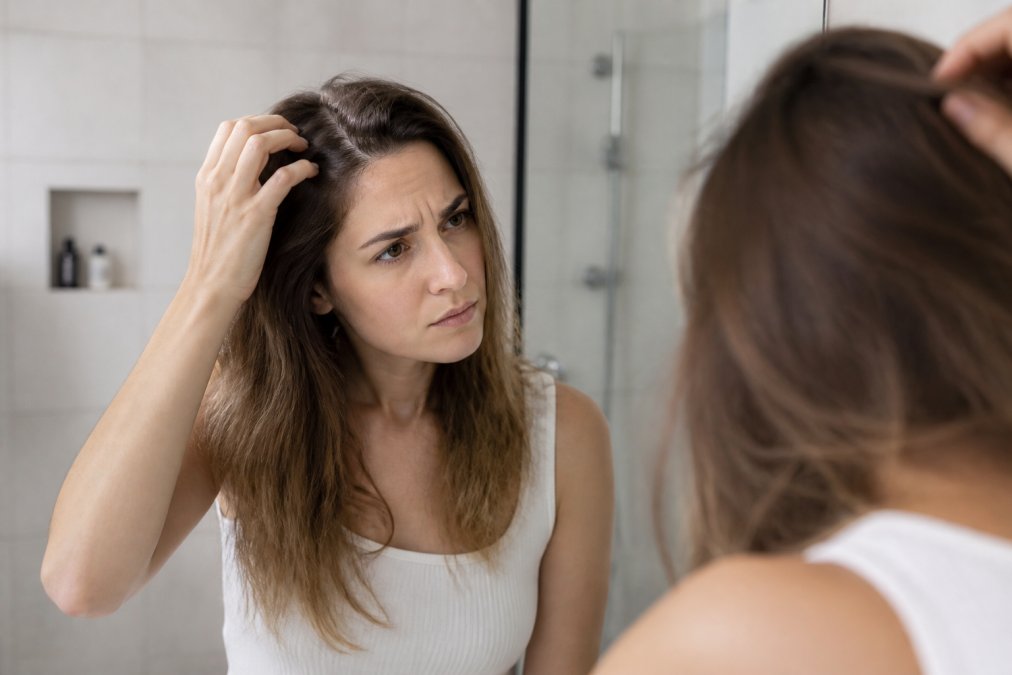
The most common culprits are:
- Stripped lipids. Strong anionic surfactants lift oil faster than the scalp can replace it, leaving the barrier compromised.
- Hard water minerals. Calcium and magnesium deposits sit on the scalp and interfere with how cleansers rinse away.
- Fragrance and preservatives. Synthetic fragrance blends and some preservatives are among the most frequent contact irritants in hair care.
- Heat and friction. Daily blow-drying on high heat and aggressive brushing both cause micro-trauma.
How to Identify Sensitive Scalp Symptoms
Sensitive scalp symptoms are the signs your barrier is struggling: itchiness within minutes of washing, tightness after drying, flaking along the hairline, tenderness across the crown, and redness around the part line.
- Note the product used and the water temperature
- Record itch intensity one hour after washing
- Photograph any flaking or redness in consistent lighting
- Flag any new styling tools or treatments introduced that week
Key Ingredients in the Best Shampoos for Sensitive Scalp
The best shampoos for sensitive scalp rely on gentle surfactants, barrier-supporting lipids, and soothing botanicals rather than strong detergents and heavy fragrance. Look for mild cleansers that lather low and soft and rinse clean without squeaking.
- Coconut-derived cleansers for gentle cleansing without stripping
- Rosemary and mint extracts to soothe irritability and support scalp circulation
- Amino acids to support the structural integrity of the hair shaft
- Coconut oil as a moisture-locking conditioner for strands and scalp alike
Ingredients to Avoid: Sulfates, Parabens, and Synthetic Fragrances
Avoid sulfates, parabens, and synthetic dyes if your scalp reacts easily. Sulfates are efficient degreasers, which is the problem: they remove the lipid barrier your scalp needs. Parabens and synthetic fragrance blends are frequent contact irritants, and synthetic dyes add colour with no scalp benefit.
The 5 Best Shampoos for Itchy Scalp and Sensitivity
The best shampoo for an itchy scalp calms irritation while still cleaning effectively, and the options below are chosen for that balance. Each entry covers the mechanism, who it suits best, and where it falls short.
1. EELHOE Hair Enrichment Moisturizes: Best for Soothing Irritability
Our top pick is EELHOE Hair Enrichment Moisturizes, a rosemary mint shampoo built around rosemary, coconut oil, and amino acids. It soothes scalp irritability, repairs damaged hair, and cleanses thoroughly while protecting the hair it touches.

2. Fragrance-Free Daily Cleanser: Best for Reactive Skin
Best for: Anyone who has reacted to a scented shampoo before. Pros: Minimal trigger load, suitable for frequent washing. Cons: No scent, and some formulas lather poorly.
3. Zinc Pyrithione Anti-Dandruff Shampoo: Best When Itch Comes With Flaking
Best for: Itchy scalps with visible, greasy flaking. Pros: Targets the likely fungal driver directly. Cons: Can feel drying; not for dry, tight scalps without flaking.
4. Salicylic Acid Scalp Shampoo: Best for Buildup and Coating
Best for: Coated, dull-feeling scalps in hard-water areas. Pros: Removes buildup that blocks other treatments. Cons: Drying if used too often.
5. Oat and Colloidal Oatmeal Shampoo: Best for Dry, Tight Scalps
Best for: Dry, tight scalps without heavy flaking. Pros: Gentle, barrier-supporting, suitable for regular use. Cons: Limited cleansing power for oily scalps.
6. Self Cleaning Hair Brush: A Gentle Detangling Companion
Brushing is where most sensitive scalps get damaged unnoticed. The Self Cleaning Hair Brush uses a 3D air cushion and no-pull bristles to detangle wet or dry hair without yanking at the root. It doubles as a scalp massager, and the one-click self-cleaning function keeps bristles hygienic between washes.

7. 1400W Ionic Hairdryer: Protecting a Sensitive Scalp from Heat Damage
Heat is the silent trigger. This 1400W ionic hairdryer uses negative ionic technology to reduce frizz and protect hair, with three heat settings, two speeds, and a cool shot. The diffuser and two concentrator nozzles let you dry without concentrating heat on one patch of scalp.

| Product | Price | Best For | Standout Feature |
|---|---|---|---|
| EELHOE Hair Enrichment Moisturizes | £29.99 | Soothing irritability | Rosemary, coconut oil, amino acids |
| Fragrance-Free Daily Cleanser | Varies | Reactive skin | No added perfume |
| Zinc Pyrithione Anti-Dandruff Shampoo | Varies | Itch with flaking | Targets fungal driver |
| Salicylic Acid Scalp Shampoo | Varies | Buildup and coating | Lifts scale and residue |
| Oat and Colloidal Oatmeal Shampoo | Varies | Dry, tight scalps | Barrier-supporting |
| Self Cleaning Hair Brush | £80.32 | Gentle detangling | One-click self-cleaning |
| 1400W Ionic Hairdryer | £39.99 | Heat protection | Negative ionic technology |
How to Treat a Sensitive Scalp: A Gentle Routine
Treating a sensitive scalp means lowering the total irritation load rather than finding one miracle product. Wash less often, use lukewarm water, and stop layering strong actives.
EELHOE Hair Enrichment Moisturizes →
The weekly structure
- Wash two to three times a week with a gentle, fragrance-free formula. Every wash removes some of the lipid barrier, and a damaged barrier needs roughly 24 to 48 hours to recover.
- Massage, don't scrub. Use fingertips or a scalp brush in slow circles for 60 seconds. Scratching damages the skin and restarts the cycle.
- Rinse with lukewarm water and finish with a cool shot if you blow-dry. Hot water dissolves the oils your scalp is trying to hold on to.
- Patch test anything new on the skin behind the ear for 48 hours before full use.
- Skip dry shampoo during a flare-up; it adds residue to an already irritated surface.
The transition period nobody warns you about
When you switch from a strong, heavily fragranced shampoo to a gentle one, your scalp often gets worse before it gets better. This adjustment period typically runs one to three weeks: your scalp has been over-producing oil to compensate for being stripped, and oil production takes time to down-regulate. Give any new routine a full fortnight before judging it, and change only one product at a time.
Hard water: the UK-specific trigger
Hard water is the factor most product roundups ignore, and it matters because a large share of households receive water with high mineral content. Calcium and magnesium deposits sit on the scalp, interfere with how cleansers rinse away, and leave residue that then itches. If your scalp feels coated no matter what you wash with, your water is a likely suspect.
Practical responses:
- Clarify once a fortnight with a gentle chelating or salicylic acid shampoo to lift mineral and product buildup, then return to your soothing shampoo.
- Consider a shower filter if the coating returns within days of clarifying.
- Rinse with cooler water at the end of the wash, which helps reduce the film left behind.
pH and the acid mantle
pH matters for the same reason. A shampoo far outside the scalp's mildly acidic range disrupts the microbiome and the lipid barrier at once. A pH-balanced formula keeps the scalp environment stable, which is why clarifying once a fortnight with a gentle formula, then returning to your soothing shampoo, often resolves stubborn flaking.
When to see a doctor
Most sensitivity responds to a gentler routine within a few weeks. Seek medical advice for persistent redness or swelling, flaking beyond the hairline, sores or weeping patches, hair loss, or symptoms that worsen despite a consistent gentle routine. A pharmacist can advise on over-the-counter options, and your GP can refer you onward.
Why a Fragrance-Free Shampoo for Sensitive Skin Matters
A fragrance-free shampoo for sensitive skin removes the most common trigger in hair care. Fragrance is added for experience, not function, and "natural fragrance" is not automatically gentler than synthetic.
Hard Water and pH: The Hidden Triggers of Scalp Sensitivity
pH matters for the same reason. A shampoo far outside the scalp's mildly acidic range disrupts the microbiome and the lipid barrier at once. A pH-balanced formula keeps the scalp environment stable, which is why clarifying once a fortnight with a gentle formula, then returning to your soothing shampoo, often resolves stubborn flaking.
Conclusion
Sensitivity rarely resolves through one product; it resolves when you lower the total load on your scalp and give the barrier time to recover. That means gentle cleansing, pH-balanced formulas, fragrance-free where you can, and tools that don't tug or scorch. Virelle Beauty curates hair care and styling tools chosen for visible, authentic results, with no fillers and no false promises.
Frequently Asked Questions
What is the best shampoo for a sensitive scalp in the UK?
The best shampoo for a sensitive scalp is one that cleanses gently without stripping your scalp barrier. Look for sulfate-free, fragrance-free formulas with soothing ingredients like rosemary, coconut oil, and amino acids. EELHOE Hair Enrichment Moisturizes (£29.99) is formulated to soothe scalp irritability while cleansing and protecting hair. Avoid harsh surfactants and synthetic dyes that can worsen redness and itchiness.
How do I know if my shampoo is causing scalp irritation?
Signs your shampoo may be the culprit include itchiness, flaking, redness, or tenderness that appear or worsen shortly after washing. If your scalp feels tight, dry, or inflamed within a day of use, the formula may be too harsh. Try switching to a fragrance-free, sulfate-free option and monitor your scalp for two weeks.
Are fragrance-free shampoos better for sensitive scalps?
Fragrance-free shampoos are often better because synthetic fragrances are a common trigger for contact irritation on reactive skin. Fragrance-free formulas reduce the risk of allergic reactions and allow your scalp barrier to recover. For a fragrance-free shampoo for sensitive skin, check the label for terms like hypoallergenic and dermatologically-tested.
What ingredients should I avoid in a shampoo for a sensitive scalp?
Avoid sulfates (like SLS and SLES) and synthetic fragrances, as these can strip natural oils and trigger inflammation. Instead, look for gentle cleansing agents, moisture-locking ingredients like coconut oil, and soothing natural extracts such as rosemary. A pH-balanced formula helps maintain your scalp microbiome and lipid barrier.
How often should I wash my hair if I have a sensitive scalp?
Wash your hair two to three times per week with a gentle, sulfate-free shampoo. Over-washing strips natural oils and weakens your scalp barrier, while under-washing allows oil and product buildup to cause itchiness and flaking. Always follow with a gentle conditioner to maintain hydration.
0 comments