

Table of Contents
- Understanding Scalp Irritation and Its Common Causes
- Best Natural Oils for Itchy Scalp
- How Long Does It Take to Heal an Irritated Scalp
- Building Your Natural Scalp Care Routine
- Identifying When to See a Doctor
- Prevention Tips for Long-Term Scalp Health
- Conclusion
Last Updated: August 19, 2026
Understanding Scalp Irritation and Its Common Causes
Scalp irritation is inflammation of the skin covering your head, often accompanied by itching, flaking, redness, or discomfort. Common causes include seborrheic dermatitis (a fungal-related condition), contact dermatitis from shampoos or styling products, dryness from overwashing, product buildup, scalp folliculitis, and dietary deficiencies. Environmental stressors like cold weather, chlorine, or heat styling can compromise your scalp's moisture barrier.
The scalp microbiome, the balance of bacteria and fungi on your skin, plays a significant role in health. When disrupted, inflammation and itching follow. Treating scalp irritation naturally focuses on restoring this balance rather than stripping away everything with harsh chemicals.
Best Natural Oils for Itchy Scalp
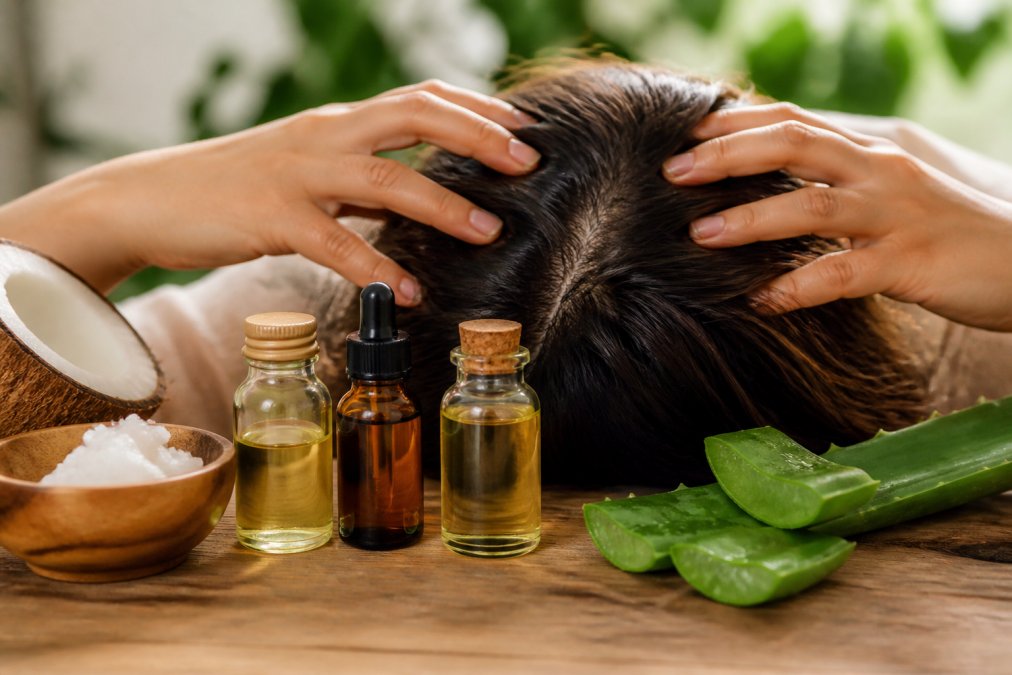
Natural oils have been used for centuries to soothe irritated skin, and the scalp responds particularly well to targeted oil treatments. The key is understanding which oils address your specific irritation type.
Tea Tree Oil for Antimicrobial Relief
Tea tree oil is renowned for its antimicrobial and antifungal properties, making it effective for fungal overgrowth or seborrheic dermatitis. However, it must never be applied undiluted, this causes irritation, burning, or allergic reactions. Dilute at 2-3 drops per 10ml of carrier oil and apply once weekly. Most people notice relief within 2-3 weeks.
Tea tree oil's effectiveness depends on contact time. Leave it on for 15-20 minutes rather than rinsing immediately to allow the oil to penetrate and work on the underlying issue.
Coconut Oil for Scalp Hydration
Coconut oil is a natural emollient that penetrates the scalp, providing deep hydration and creating a protective barrier against moisture loss. It contains lauric acid with mild antimicrobial properties, and its fatty acid composition closely mimics the skin's natural sebum, reducing irritation risk.
Apply coconut oil to a clean, slightly damp scalp and leave for 30 minutes to overnight. One consideration: coconut oil can feel heavy on fine hair. If your hair tends toward greasiness, apply it primarily to the scalp rather than hair length, or use it less frequently, once every 10 days rather than weekly.
Aloe Vera for Soothing Inflammation
Aloe vera is a natural anti-inflammatory that soothes irritated skin while promoting healing. For acute irritation, redness, or intense itching, it often provides the fastest relief. Apply pure aloe vera gel directly to the scalp, massage gently, and leave for 15-20 minutes before rinsing. Many people report significant symptom reduction after one or two applications.
Aloe vera works best for acute symptom relief rather than addressing underlying causes like fungal overgrowth. For long-term healing, combine it with other treatments.
Apple Cider Vinegar Rinses and pH Balance
Apple cider vinegar is acidic (pH 2-3) and helps restore your scalp's natural pH balance (4.5-5.5), preventing fungal and bacterial overgrowth. Many modern shampoos are alkaline, disrupting this balance and triggering irritation.
A diluted apple cider vinegar rinse, 1 part vinegar to 3 parts water, applied after shampooing restores pH balance and dissolves product buildup. Leave on for 1-2 minutes before rinsing. Use once weekly; more frequent use can over-dry the scalp.
How Long Does It Take to Heal an Irritated Scalp
The timeline for healing varies depending on the underlying cause, severity, and treatment consistency. For mild irritation from product sensitivity or temporary dryness, you may notice improvement within 3-5 days of switching to gentler products and using soothing treatments.
More persistent conditions like seborrheic dermatitis typically require 2-4 weeks of consistent treatment to rebalance the scalp microbiome and restore a healthy moisture barrier. Severe cases may take 6-8 weeks. If you're not seeing meaningful improvement after 4 weeks of consistent natural treatment, consult a healthcare provider, you may need medical intervention.
Consistency matters more than intensity. Regular 1-2 treatments per week produces better results than intensive daily treatment followed by weeks of neglect.
Building Your Natural Scalp Care Routine
A successful routine identifies your specific irritation triggers and creates a sustainable sequence without introducing new problems.
Step 1: Patch Test Before Full Application
Before applying any new treatment to your entire scalp, perform a patch test on a small area. Apply a small amount to the back of your scalp or behind your ear and leave for 24 hours, monitoring for redness, burning, itching, or unusual reaction. This prevents days of worsened irritation from a bad reaction.
Step 2: Prepare Your Remedy with Proper Dilution
Never apply essential oils directly to your scalp. A standard dilution ratio is 2-3 drops of essential oil per 10ml of carrier oil. Measure your carrier oil into a small bowl, add essential oil drops, and mix thoroughly. For apple cider vinegar rinses, mix 1 part vinegar with 3 parts water.
Step 3: Apply with Gentle Scalp Massage
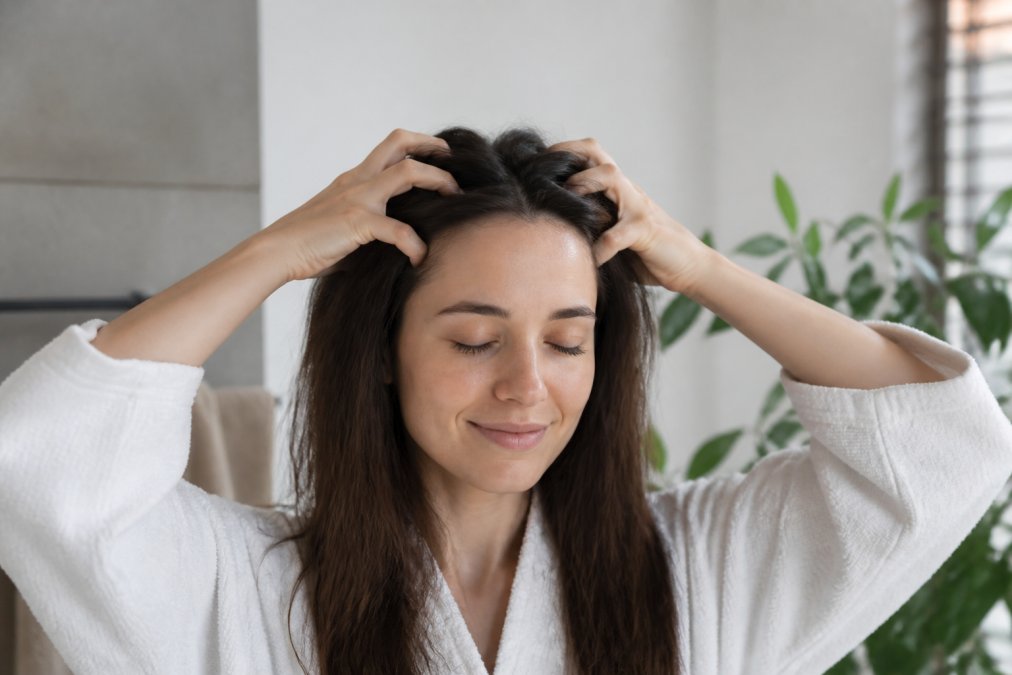
Part your hair into sections and apply the treatment directly to your scalp using your fingertips, not nails. Use gentle, circular motions to massage the treatment in, working from the front hairline toward the back. Spend 2-3 minutes massaging to ensure even distribution and maximum benefit.
Scalp massage itself provides benefits beyond distributing treatment, it increases blood circulation, supporting healing and nutrient delivery. Avoid vigorous rubbing or scratching, even if itching; gentle, consistent pressure is more effective and safer.

Step 4: Rinse and Monitor Results
Leave your treatment on for the recommended time: typically 15-20 minutes for oils, or 1-2 minutes for vinegar rinses. Use lukewarm water for rinsing; hot water strips natural oils and worsens irritation. Rinse thoroughly until no oily residue remains.
Keep a simple log of which treatments you use and how your scalp responds. After 2-3 weeks, patterns emerge showing which oils provide relief and which products trigger problems.
Identifying When to See a Doctor
Natural remedies work well for many cases, but some conditions require professional assessment. Consult a healthcare provider if your scalp irritation persists beyond 4 weeks despite consistent natural treatment.
Also seek medical advice for severe symptoms: significant hair loss, open sores or bleeding, signs of infection (warmth, pus, swelling), or intense pain. If irritation is accompanied by systemic symptoms, fever, swollen lymph nodes, or rashes elsewhere on your body, see a healthcare provider promptly. If your condition worsens despite treatment, stop and consult a professional.
Prevention Tips for Long-Term Scalp Health
Once resolved, maintaining scalp health prevents recurrence. Choose shampoos formulated for scalp health without sulfates, which strip natural oils, and avoid heavy silicones that build up. Look for gentle, pH-balanced formulations supporting a healthy scalp microbiome. At virelle beauty, we curate products chosen specifically for visible results without fillers or harsh chemicals, prioritising scalp and hair health.
Wash with lukewarm water, not hot. Hot water strips protective oils, leaving your scalp vulnerable. Avoid overwashing, most people find 2-3 times weekly maintains clean hair and a healthy scalp. If hair feels greasy between washes, this often improves after a few weeks as your scalp adjusts.
Limit heat styling and chemical treatments. When using heat, apply a heat-protective product and use the lowest effective temperature. Allow air-drying when possible.
Address dietary factors. A diet lacking omega-3 fatty acids, zinc, or B vitamins contributes to scalp dryness. Incorporate fatty fish, nuts, seeds, and leafy greens.
Regular scalp massage promotes circulation and stress relief. Spend 5 minutes daily massaging your scalp with gentle circular motions. Tools like the Electric Scalp Massage Comb with Hair Growth Red Light Therapy can enhance this practice, providing consistent stimulation that supports scalp circulation and health.

Fixing scalp irritation naturally requires patience, consistency, and the right approach for your situation. Whether your irritation stems from dryness, fungal overgrowth, or product sensitivity, the natural remedies covered here address underlying causes rather than masking symptoms temporarily.
Identify your irritation type through careful observation, then commit to a consistent routine for at least 2-3 weeks before expecting results. Start with a patch test, use properly diluted treatments, and give your scalp time to heal. If natural approaches don't deliver improvement within 4 weeks, consult a healthcare provider. At virelle beauty, we understand that genuine scalp health comes from treating the root cause with intentional, effective products. Your scalp's health is worth the investment.
Frequently Asked Questions
Can natural oils help with scalp irritation?
Yes. Tea tree oil has antimicrobial properties that reduce folliculitis and seborrheic dermatitis, while coconut oil restores the moisture barrier and aloe vera soothes inflammation. Always dilute essential oils in a carrier oil and patch test first, undiluted oils can worsen irritation. Most people see improvement within 2-4 weeks of consistent use.
What vitamin deficiency causes an itchy scalp?
Deficiencies in B vitamins, zinc, and iron can contribute to scalp irritation and hair thinning. If your scalp remains irritated despite using natural remedies, consider consulting your GP to rule out nutritional gaps. Dietary triggers, including high sugar, inflammatory oils, and certain processed foods, can also aggravate the scalp microbiome from within.
When should I see a GP for scalp irritation?
Seek medical advice if irritation persists beyond 4 weeks despite home treatment, if you notice severe scaling or flaking, signs of infection (oozing, crusting, or spreading rash), or if the condition worsens. Contact dermatitis and seborrheic dermatitis often require prescription treatment. A GP can rule out fungal or bacterial infection and recommend dermatological assessment if needed.
How should I dilute essential oils for scalp application?
Essential oils must never be applied undiluted to the scalp, they can cause chemical irritation. Mix 2-3 drops of essential oil per 10 ml of carrier oil (coconut, jojoba, or sweet almond oil). For a scalp massage, use roughly 5 ml of diluted mixture. Always patch test on a small area behind the ear 24 hours before full application to check for allergic reaction.
This article was written using GrandRanker
0 comments