

Table of Contents
- Visible Signs of Effective Skincare Products
- How Long to See Results From Skincare
- Skincare Purging vs Breaking Out: Understanding the Difference
- Signs of Skin Barrier Damage and When to Stop
- Tracking Your Skincare Progress: Objective vs Subjective Metrics
- When It's Time to Switch Products
- Conclusion
Visible Signs of Effective Skincare Products
Effective skincare products deliver measurable changes you can see and feel. Your complexion becomes more even in tone, texture smooths out noticeably, and the overall appearance shifts toward clarity and radiance.
The first sign is improved skin texture. Your skin feels smoother to the touch, fine lines become less pronounced, and the surface appears more refined. This happens because effective products support cell turnover and promote dermal health.
Another clear indicator is more even skin tone. Hyperpigmentation, redness, or uneven patches fade gradually with consistent use. Hydration levels improve visibly as well, your skin looks plumper and more luminous rather than tight or flaky. This signals the product is supporting your skin's moisture balance and strengthening the skin barrier.
Reduced inflammation is another key sign. If your skin was previously reactive or irritated, you'll notice less redness, fewer active breakouts, and a calmer overall appearance.
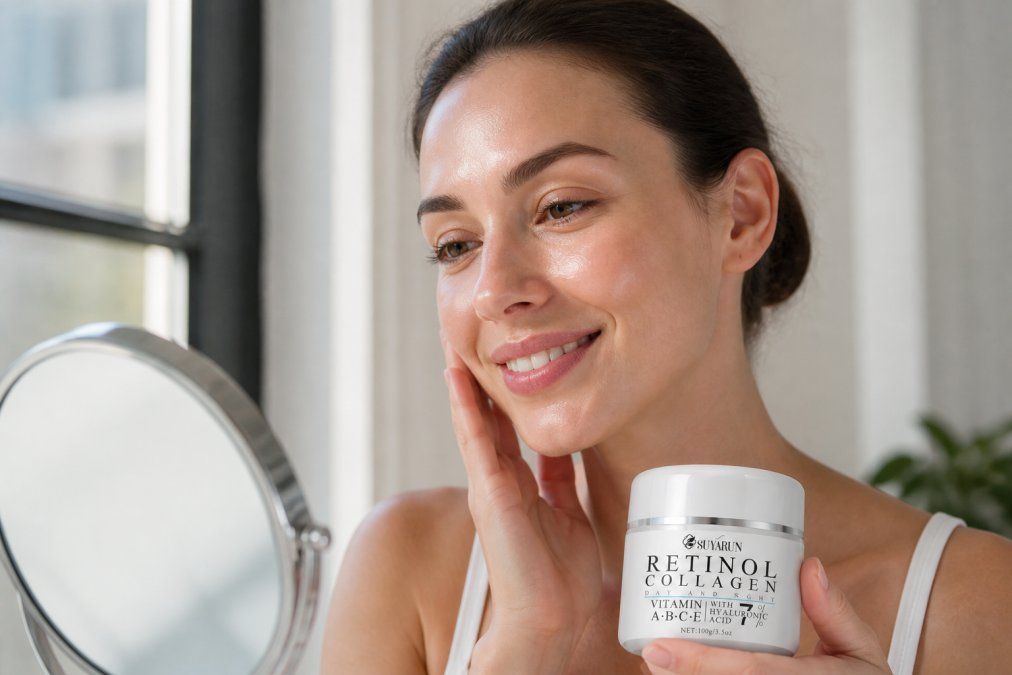
At virelle beauty, we focus on curated products chosen specifically for their ability to deliver these visible results. Our selection prioritises active ingredients and formulations that genuinely improve skin health, not products that simply feel nice in the moment.
How Long to See Results From Skincare
Effective skincare works on a realistic timeline. Your skin cells naturally renew approximately every 28 days. For products to show visible effects, you need at least one full cycle, often longer.
For basic hydration and texture improvements, you might notice changes within 2-3 weeks of consistent use. Active ingredients like retinoids, vitamin C, and exfoliants require more patience. You'll typically need 4-8 weeks of consistent use before visible improvements appear. More stubborn concerns like significant hyperpigmentation or deep wrinkles can take 8-12 weeks or longer.
The key variable is consistency. Using your routine every single day allows active ingredients to build efficacy. Skipping days or switching products frequently resets your skin's adaptation process.
Seasonal changes also affect how quickly you see results. Winter can slow visible improvements because cold air and heating systems stress the skin barrier. Adjust your expectations based on the season.
Skincare Purging vs Breaking Out: Understanding the Difference
This distinction matters because it determines whether you should keep using a product or abandon it immediately.
Purging is a temporary increase in breakouts when active ingredients accelerate cell turnover. Your skin is pushing out congestion and debris that was already trapped beneath the surface. This is actually a sign the product is working.
Breaking out is a reaction to an ingredient your skin doesn't tolerate. The product is causing new inflammation or sensitivity rather than clearing existing congestion.
Purging typically lasts 2-4 weeks, occasionally up to 6 weeks with very active ingredients. After this period, breakouts should decrease significantly. Breaking out doesn't follow this pattern; irritation persists or worsens.
Location matters too. Purging appears in areas where you already experience congestion. Breaking out from an incompatible product appears randomly or in new areas. Purging typically produces comedones (blackheads and whiteheads), while breaking out from irritation produces inflamed pustules or widespread redness.
Patch testing before full application helps prevent confusion. Apply the new product to a small area for 3-5 days. If you tolerate it well, gradually expand use across your entire face.
Signs of Skin Barrier Damage and When to Stop
Your skin barrier is responsible for protecting your skin and maintaining hydration. When it's damaged, no skincare product will work effectively.
Signs of a compromised barrier appear quickly. Your skin feels tight and reactive. Even products you've used successfully suddenly cause stinging or burning. Your complexion becomes red and inflamed, and you may develop persistent dryness that moisturiser doesn't relieve.
Sensitivity escalates dramatically. Products that never bothered you before now cause irritation. You might develop rosacea-like flushing or persistent redness. Increased breakouts and congestion happen because a damaged barrier can't regulate sebum production effectively.
When you notice these signs, stop introducing new products immediately. Use only a gentle cleanser, a basic moisturiser, and sunscreen. The repair process typically takes 2-4 weeks.
During this time, avoid:
- Active ingredients (retinoids, vitamin C, acids, niacinamide in high concentrations)
- Fragrance and essential oils
- Physical or chemical exfoliation
- Hot water (use lukewarm)
Focus on barrier-supportive ingredients instead. Ceramides, cholesterol, and fatty acids are the structural components of a healthy barrier. Hyaluronic acid supports hydration without irritating a damaged barrier.
Once your skin stabilises, you can gradually reintroduce active ingredients one at a time, waiting at least a week between introductions.
Tracking Your Skincare Progress: Objective vs Subjective Metrics
Both objective and subjective metrics matter, but they tell different stories.
Objective metrics are measurable, visible changes you can document: skin texture improvements, reduction in fine lines, evening of skin tone, and decreased redness or hyperpigmentation. You can photograph these changes under consistent lighting and compare images week to week.
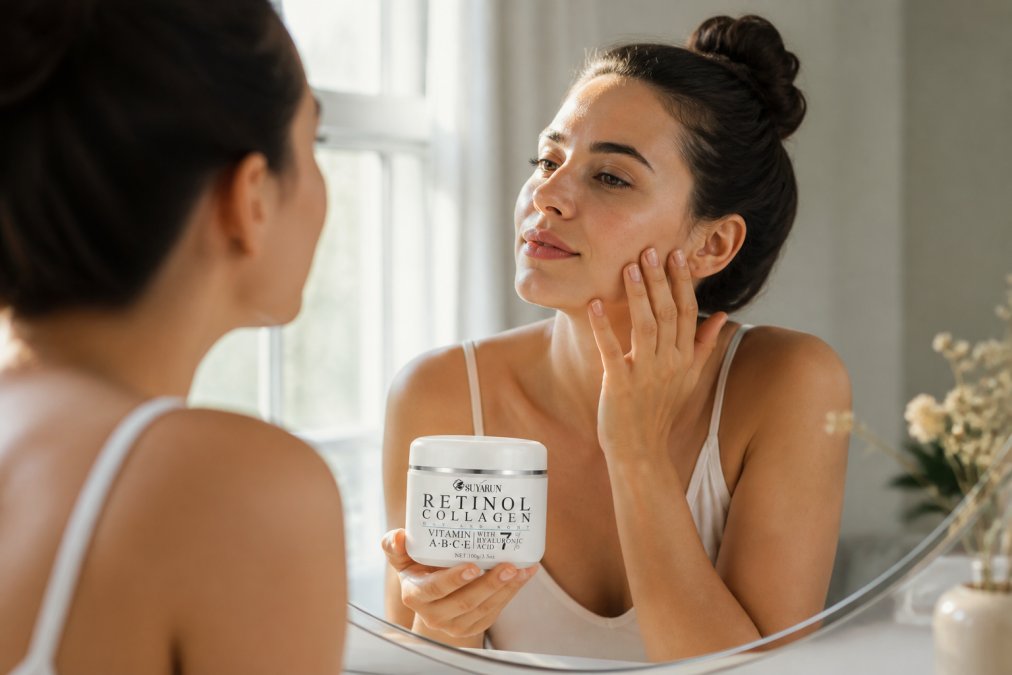
The most reliable objective tracking method is photography. Take a baseline photo under natural window light at the start of your routine. Photograph your skin every two weeks under identical conditions. After 4-6 weeks, compare your baseline to your current photos.
Subjective metrics are how your skin feels: smoothness, comfort, elasticity, and sensation. These matter because they influence your daily experience, but they're influenced by external factors and psychological expectation. Seasonal changes complicate subjective assessment as well.
Combine both approaches for the most accurate picture. Document objective changes with photos and specific observations. Track subjective feelings in a simple log. Over 6-8 weeks, patterns emerge that reveal whether a product is genuinely effective.
A practical tracking template helps:
| Week | Photo Notes | Texture Feel | Sensitivity | Visible Changes |
|---|---|---|---|---|
| Week 1 | Baseline | Dry, tight | Reactive to fragrance | Uneven tone, visible congestion |
| Week 3 | Slightly smoother | More comfortable | Less reactive | Fine lines softening |
| Week 6 | Noticeably refined | Supple, hydrated | Normal | Significant tone improvement |
When It's Time to Switch Products
After 8-12 weeks of consistent use, you should see measurable improvement if a product is effective. If you've followed the routine exactly and documented your skin with photos but are seeing no change, or your skin is more reactive or congested, that product isn't working for you.
Sometimes your skin's needs change. A moisturiser that worked beautifully in autumn might feel too heavy in summer. Environmental changes, hormonal shifts, and seasonal variations mean your routine needs adjustment.
Product efficacy can plateau. Your skin adapts to the product, and visible benefits level off. You might need to switch to a different active ingredient or take a break and reintroduce it later.
If a product causes persistent irritation after the initial purging phase (beyond 4-6 weeks), it's not the right fit. Your skin shouldn't feel uncomfortable long-term.
When switching, introduce the new product gradually. Don't replace everything at once. Swap one product, wait a week to assess tolerance, then introduce the next.
Effective skincare delivers visible, measurable results, not just pleasant sensations or marketing promises. By understanding the signs of working products, realistic timelines, the difference between purging and breaking out, and how to track genuine progress, you transform skincare from guesswork into a purposeful ritual with tangible benefits.
virelle beauty exists because we believe skincare should feel intentional and deliver authentic results. Our curated collection removes the noise and focuses on products chosen for their proven efficacy. Start with products that genuinely work for your skin, track your progress objectively, and adjust as your skin evolves.
Explore our Gold Foil Snail Tear-Off Mask Hydrating (£11.99) for immediate hydration improvements, or our Rich in Vitamin E, Shea Butter anti-aging exfoliating product (£5.99) to support visible texture and tone improvements. Both products deliver the kind of measurable results that prove skincare is actually working.


Frequently Asked Questions
How can you tell if a skincare product is actually working?
Look for measurable improvements in skin texture, tone, and clarity over 4-12 weeks. Effective products reduce visible fine lines, improve hydration levels, and create a more even complexion. Check for decreased inflammation, smaller pores, and better skin elasticity. Keep a photo diary to track changes objectively. Feel matters too: your skin should feel softer, more supple, and comfortable rather than tight or irritated. Consistency is key, results depend on using the product as directed.
How long does it take to see results from new skincare?
Most active ingredients require 4-8 weeks to show visible results, though some improvements appear sooner. Hydrating products may feel effective within days, but true skin barrier restoration takes 6-8 weeks. Exfoliating ingredients and retinoids need 8-12 weeks for noticeable changes in skin texture and tone. Cell turnover cycles repeat every 28 days, so patience through at least two cycles is essential. Seasonal changes can affect how quickly you see results, winter may slow visible improvements due to environmental stress on your skin.
What is the difference between skincare purging and breaking out?
Purging occurs when active ingredients speed up cell turnover, pushing congestion to the surface faster than normal. Purge breakouts appear in areas where you already experience congestion, last 2-4 weeks, and gradually improve. Breaking out from an unsuitable product causes new blemishes in unexpected areas, worsens over time, and comes with irritation or inflammation. Purging feels like your skin is clearing; breaking out feels like your skin is reacting badly. If breakouts spread, worsen after week 4, or cause severe inflammation, stop the product, that's not purging.
How do I know if a skincare product is high quality and suitable for my skin?
Quality products list active ingredients transparently and include clinical evidence for efficacy. Start with patch testing on a small area, especially if your skin is sensitive or reactive. High-quality formulations respect your skin barrier, they don't cause excessive dryness, redness, or irritation. Look for products that address your specific skin concerns without overpromising results. Suitable products work with your skin type: hydrating for dry skin, oil-control for oily skin, gentle for sensitive skin. If a product claims to fix everything or promises results in days, it's likely overstated.
This article was written using GrandRanker
0 comments