

Table of Contents
- What You're Actually Paying For in Expensive Skincare
- Luxury vs Drugstore Skincare Comparison: Where the Real Differences Lie
- Skincare Ingredient Efficacy: Clinical Evidence vs Brand Claims
- Cost-Per-Use Analysis: The Real Measure of Value
- How to Build an Effective Skincare Routine Without Overspending
- Common Skincare Myths That Justify Inflated Prices
- When Premium Skincare Actually Delivers Results
- Conclusion
Last Updated: August 28, 2026
What You're Actually Paying For in Expensive Skincare
When you pick up a £150 serum next to a £15 alternative, you're comparing formulation complexity, ingredient concentration, stability systems, and research investment. Luxury brands invest in proprietary complexes, clinical testing, and advanced delivery systems that affect how ingredients penetrate the skin barrier. A high-end moisturiser might contain stabilised retinoid at therapeutic concentrations, whilst a drugstore version offers lower-level retinol. Expensive products often use sophisticated preservative systems that maintain active ingredient potency over months, whereas cheaper alternatives may degrade faster once opened.
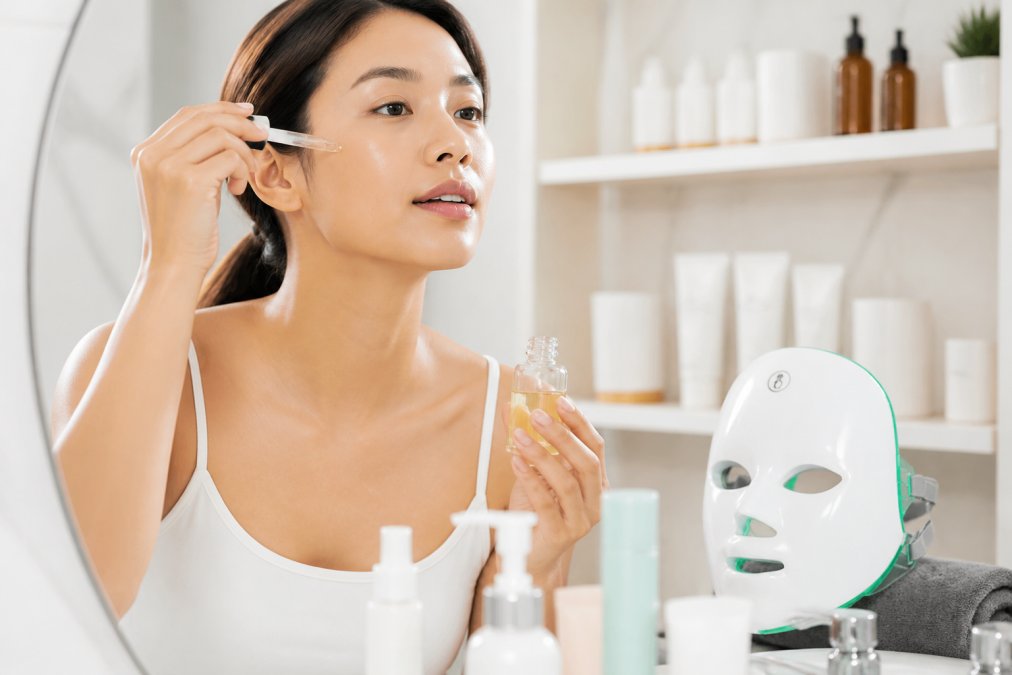
However, not all price reflects genuine superiority. A significant portion of what you pay for expensive skincare goes toward packaging design, brand positioning, and marketing spend. Some luxury brands allocate 40-50% of retail price to these elements rather than the formula itself.
Luxury vs Drugstore Skincare Comparison: Where the Real Differences Lie
Active Ingredients and Concentration Levels
Luxury skincare typically delivers active ingredients at higher concentrations. A clinical-grade retinoid serum might contain 0.3-1% retinoid, whilst a drugstore retinol product often sits at 0.1-0.3% (peer-reviewed research). This concentration difference matters because bioavailability, how effectively an ingredient penetrates and affects skin cells, depends partly on dose.
Hyaluronic acid illustrates this well. A luxury formula uses stabilised hyaluronic acid with specific molecular weights calibrated for different skin depths. Smaller molecules reach deeper layers, whilst larger ones sit on the surface. Expensive formulations often layer multiple molecular weights for comprehensive hydration.
Vitamin C serums in the drugstore aisle frequently use unstable L-ascorbic acid, which oxidises within weeks of opening. Premium brands invest in stabilised forms like 3-O ethyl ascorbic acid, which maintain efficacy throughout the product's shelf life. You're paying for stability, not just the ingredient itself.
Formulation Stability and Bioavailability
Expensive skincare products use advanced delivery systems that budget alternatives cannot replicate at lower price points. Encapsulation technology wraps active ingredients in microscopic spheres that protect them from degradation and control their release onto skin.
Preservative systems also differ markedly. Luxury brands use multi-system preservation that protects against contamination without compromising ingredient stability. pH balance represents another technical distinction. Luxury brands invest in pH buffering systems that keep formulations stable across temperature changes and time. Budget products sometimes drift from their intended pH during storage, reducing effectiveness.
The Marketing Markup Factor
Luxury skincare brands allocate substantial budgets to packaging, influencer partnerships, and brand storytelling. A serum with identical active ingredients might sell for £35 under a drugstore label and £120 under a luxury brand, largely because of marketing spend and perceived prestige. The formulation difference might justify £50-60 of that premium; the remaining £30-40 is brand positioning.
This doesn't mean expensive skincare products are overpriced, many genuinely deliver superior results. It means you should evaluate them based on formulation merits rather than packaging or brand name alone.
Skincare Ingredient Efficacy: Clinical Evidence vs Brand Claims
Marketing claims often outpace clinical evidence. Understanding which ingredients have genuine clinical backing helps you assess whether expensive skincare products deliver on their promises.
Which Ingredients Justify Premium Pricing
Retinoids stand at the top of the evidence hierarchy. Prescription-strength retinoids like tretinoin have decades of clinical validation for reducing fine lines and improving skin texture. Over-the-counter retinol and retinaldehyde show meaningful results in peer-reviewed studies. If you're investing in a retinoid product, formulation quality matters enormously, a poorly stabilised retinol loses efficacy rapidly, whilst a well-formulated version maintains potency.
Peptides represent a more nuanced case. Some peptides show legitimate clinical support for collagen production and skin firmness, particularly copper peptides and palmitoyl pentapeptides. However, many peptide products contain peptides at concentrations too low to produce measurable effects.
Niacinamide (vitamin B3) appears across price points and offers genuine benefits supported by multiple studies (peer-reviewed research). It strengthens the skin barrier, reduces inflammation, and regulates sebum production. A £8 niacinamide serum can work as effectively as a £60 version if both contain adequate concentrations (typically 4-5%). This is where expensive skincare products don't always justify their premium.
Hyaluronic acid shows effectiveness primarily as a humectant, drawing moisture into skin. The concentration and molecular weight matter far more than the brand. A budget moisturiser with hyaluronic acid might hydrate adequately; luxury versions add stabilised forms for deeper penetration.
Dermatologist Perspectives on Product Value
Dermatologists emphasise that ingredient concentration and formulation stability matter more than brand prestige. Many recommend building routines with one or two high-efficacy products rather than multiple expensive items. A clinical-grade retinoid and a well-formulated sunscreen deliver more visible results than a six-step routine of mid-range products, often at lower cost.
The placebo effect in skincare deserves acknowledgment. A product that feels luxurious, with pleasant scent, elegant packaging, and a ritual-like application experience, may produce better results partly because you use it consistently and expect it to work. Expensive skincare products often excel at creating this ritual experience, which has measurable value for some users.
Cost-Per-Use Analysis: The Real Measure of Value
Price alone doesn't determine value. A £200 serum used daily for six months costs roughly £1.10 per application. A £30 moisturiser used twice daily for three months costs roughly £0.50 per application. Cost-per-use reveals whether expensive skincare products deliver better economics than budget alternatives.
Calculate it yourself: divide the product price by the number of applications before it's empty. A 30ml serum typically provides 60 applications. A 200ml moisturiser typically provides 200 applications. Factor in shelf life, a product that degrades after six months costs more per use than one stable for 18 months, even at identical prices.
Premium products often have better economics than they initially appear. A £120 serum lasting four months costs £1 per use. A £25 serum lasting six weeks costs roughly £1.50 per use. The expensive product actually delivers lower cost-per-use, particularly if it's more potent and requires smaller amounts.
Many budget products offer excellent cost-per-use economics without sacrificing efficacy. A £12 niacinamide serum used daily for three months costs roughly £0.13 per application. The real question isn't "Are expensive skincare products worth it?" but rather "Is THIS expensive product worth it for MY skin?"
How to Build an Effective Skincare Routine Without Overspending
Building a routine that delivers visible results doesn't require expensive skincare products across every step. Strategic investment, spending more on products with proven efficacy and less on supporting items, maximises results whilst controlling costs.
Identifying Your Skin's Core Needs
Before buying anything, identify your actual skin concerns rather than perceived ones. Many people think they need anti-ageing serums when their skin barrier is compromised, or brightening products when they simply need consistent hydration.
Start with basics: cleanser, moisturiser, and sunscreen. These three form the foundation of any effective routine. A good cleanser removes makeup and dirt without stripping the skin barrier, a moisturiser appropriate for your skin type prevents transepidermal water loss, and a sunscreen prevents further damage. These needn't be expensive, but they should be effective.
Patch test before committing to full-size products. A common mistake is buying expensive skincare products and discovering they irritate your skin after a week. Test new products on a small area first, particularly if you have sensitive skin.
Layering Strategically: Where to Invest, Where to Save
Invest premium pricing in products with proven active ingredients at therapeutic concentrations. Retinoids, vitamin C serums, and clinical-grade peptides justify higher prices when formulated correctly. These are your workhorse products.
Save money on supporting products like toners, essences, and hydrating layers. A budget hydrating toner works as well as a luxury version if both contain similar humectants. Layer budget-friendly hydrating products, then add one or two expensive actives.
Sunscreen deserves investment if you use it daily, since it's the most evidence-backed preventative skincare product available. However, even affordable sunscreens with SPF 30 or higher provide meaningful protection if applied generously.
Consider the virelle beauty approach to curation: rather than buying everything available, select a refined collection of products chosen for visible results. This typically means fewer items, better formulations, and lower overall spending.
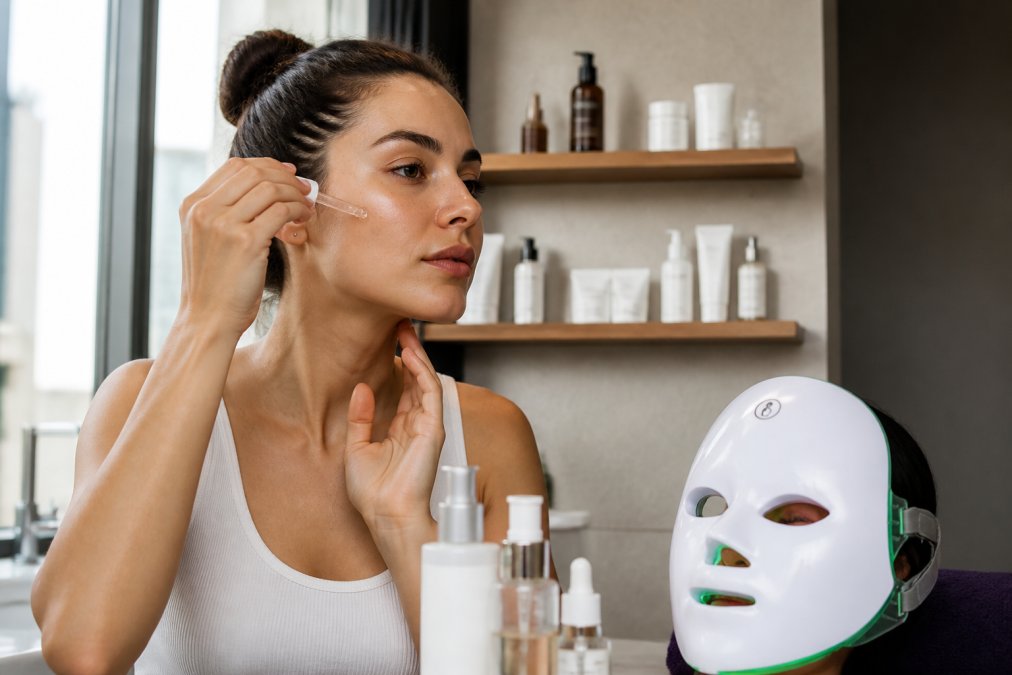
Common Skincare Myths That Justify Inflated Prices
Marketing has created several persistent myths that convince consumers to buy expensive skincare products unnecessarily.
"Natural ingredients are always better than synthetic ones" drives premium pricing for botanical extracts. In reality, synthetic versions of natural compounds are often more stable and effective. Synthetic hyaluronic acid works identically to fermented plant-derived versions. A synthetic retinoid is more stable than natural alternatives.
"Expensive brands use better ingredients" isn't universally true. Both luxury and budget brands source similar base ingredients from the same suppliers. The difference lies in concentration and formulation stability, not ingredient sourcing.
"More active ingredients mean better results" encourages buying expensive multi-ingredient serums. In reality, combining too many actives often reduces efficacy and increases irritation risk. A serum with one well-formulated active at therapeutic concentration outperforms a serum with five actives at diluted levels.
"Luxury brands invest more in research" isn't always accurate. Some expensive brands spend more on marketing than research. Conversely, some affordable brands partner with research institutions and invest heavily in formulation development.
"If it's expensive, it must work better" represents the most damaging myth. Price correlates with marketing spend, packaging, and brand positioning, not necessarily with results.
When Premium Skincare Actually Delivers Results
Expensive skincare products do deliver measurable advantages in specific scenarios.
Advanced delivery systems justify premium pricing when they meaningfully improve ingredient penetration. Encapsulation technology, liposomal delivery, and stabilised complexes genuinely enhance bioavailability. Verify this through product descriptions or independent reviews rather than assuming luxury automatically means advanced delivery.
Clinical testing and validation justify higher prices. A product backed by peer-reviewed studies showing measurable improvements costs more to develop than an untested formula.
Stability and shelf life justify premium pricing for active ingredients that degrade quickly. Vitamin C serums exemplify this, an unstable formula loses efficacy within weeks, whilst a stabilised version maintains potency for months.
Customisation and skin-type specificity justify premium pricing. A routine tailored to your specific skin concerns outperforms a one-size-fits-all approach.
Aesthetic and ritual experience genuinely affects outcomes. If a beautiful, luxurious product encourages you to use it consistently whilst a budget alternative sits unused, the expensive product delivers better results through compliance.
The honest answer to whether expensive skincare products are worth it: sometimes. A £150 serum with advanced stabilisation, proven active ingredients at therapeutic concentrations, and clinical validation delivers measurable advantages over a £15 alternative. A £80 moisturiser with identical ingredients to a £20 version does not.
Evaluate expensive skincare products based on formulation merits, ingredient concentration, clinical evidence, and cost-per-use rather than brand prestige or packaging. Build your routine by investing premium pricing in products with proven efficacy, typically one or two active serums, and using budget-friendly options for supporting steps. At virelle beauty, we've curated a selection of skincare products chosen for visible results rather than price point, ensuring every step of your routine delivers tangible benefits without fillers or false promises. Start with the fundamentals: an effective cleanser, appropriate moisturiser, and daily sunscreen. Add one high-quality active ingredient. Assess results over eight weeks. This approach, thoughtful investment rather than expensive spending, delivers the most visible, sustainable skincare outcomes.
Frequently Asked Questions
Does expensive skincare really work better than budget alternatives?
Not always. Price doesn't guarantee efficacy. Expensive skincare products often cost more due to packaging, marketing, and brand positioning rather than superior active ingredients. Budget products can contain the same concentration of hyaluronic acid, retinoids, or antioxidants as luxury brands. The difference lies in formulation stability, proprietary complexes, and clinical testing, but these don't always justify a 5x markup. Dermatologists recommend focusing on active ingredient concentration and clinical efficacy rather than price alone.
What specific ingredients justify a higher price tag in skincare?
Certain ingredients do command premium pricing when backed by clinical research. Retinoids, niacinamide at therapeutic concentrations (4-5%), stabilised vitamin C, and peptide complexes require more sophisticated formulation work. Proprietary delivery systems that improve bioavailability, how well your skin absorbs the ingredient, also add cost. Look for products with published clinical trials showing visible results. However, a high price doesn't guarantee these ingredients; check the ingredient list and concentration levels. Many affordable products contain clinically proven actives without the luxury markup.
How can you tell if an expensive skincare product is actually worth the money?
Evaluate cost-per-use first: a £60 serum used twice daily lasts 2-3 months, working out to roughly £1 per application. Compare this to a £15 alternative used the same way. Next, check for clinical evidence: reputable brands publish efficacy studies or dermatologist endorsements. Read ingredient lists for active concentration levels, not just the presence of trendy ingredients. Patch test on a small area first, especially if you have sensitive skin. Finally, assess whether the product addresses a specific concern, targeted treatment justifies premium pricing more than general 'glow-boosting' claims.
Are there budget-friendly alternatives to high-end skincare staples?
Yes. Many drugstore brands offer clinically effective formulations at a fraction of luxury prices. Hyaluronic acid serums, niacinamide treatments, and basic retinol products perform similarly across price points when concentrations are comparable. The key difference is often packaging and delivery stability. Look for products with clear ingredient lists and transparent concentration information. Building an effective skincare routine doesn't require luxury brands, focus on the four essentials: cleanser, active treatment (retinoid or antioxidant), moisturiser, and sunscreen. Invest in whichever product targets your primary skin concern, then use affordable alternatives for supporting steps.
This article was written using GrandRanker
0 comments