

Table of Contents
- Understanding Hair Thinning: What's Really Happening
- Causes of Hair Thinning in Women
- Step 1: Scalp Massage and Circulation Techniques
- Step 2: Nourish From Within With Targeted Nutrition
- Step 3: Use Best Hair Thickening Products for Women
- Step 4: Manage Stress and Support Hormonal Balance
- When to See a GP for Hair Loss
- How to Fix Thinning Hair Naturally: Your Action Plan
Last Updated: August 30, 2026
Understanding Hair Thinning: What's Really Happening
Hair thinning is a progressive reduction in hair density and shaft diameter that develops when hair follicles enter the telogen effluvium phase prematurely, shortening the anagen growth phase. Your scalp contains approximately 100,000 hair follicles, each cycling through growth, transition, and shedding phases (peer-reviewed research). When stress, nutritional deficiency, or hormonal shifts disrupt this cycle, follicles shrink and produce thinner, shorter strands.
Hair regrowth takes time because you're waiting for new follicles to mature through the anagen phase, which typically lasts 2-7 years (peer-reviewed research). This is why patience and consistency matter far more than the specific remedy you choose.
Causes of Hair Thinning in Women
Hair thinning in women stems from multiple interconnected causes. Hormonal fluctuations remain the most common culprit, particularly during perimenopause, postpartum periods, or when transitioning off hormonal contraceptives. Dihydrotestosterone (DHT) sensitivity in hair follicles drives androgenetic alopecia, the most prevalent form of hair thinning in women.
Nutritional deficiency ranks as the second major cause. Iron, zinc, biotin, and omega-3 fatty acids are essential for keratin production and follicle health. Chronic stress elevates cortisol levels, which accelerates the transition of follicles from the anagen growth phase into telogen shedding phase, typically appearing 2-3 months after a major life stressor (peer-reviewed research).
Inflammatory conditions, both systemic and scalp-specific, also drive thinning. Oxidative stress damages follicle cells, while poor scalp circulation starves follicles of oxygen and nutrients. Additionally, overuse of heat styling, tight hairstyles, and harsh chemical treatments physically damage the hair shaft and traumatise follicles.
Step 1: Scalp Massage and Circulation Techniques
Scalp massage directly increases blood flow to hair follicles, delivering oxygen and nutrients that follicle cells require for healthy hair production. Begin with a 5-minute daily scalp massage using your fingertips in small circular motions across your entire scalp, starting at the hairline and working backward toward the nape of your neck.
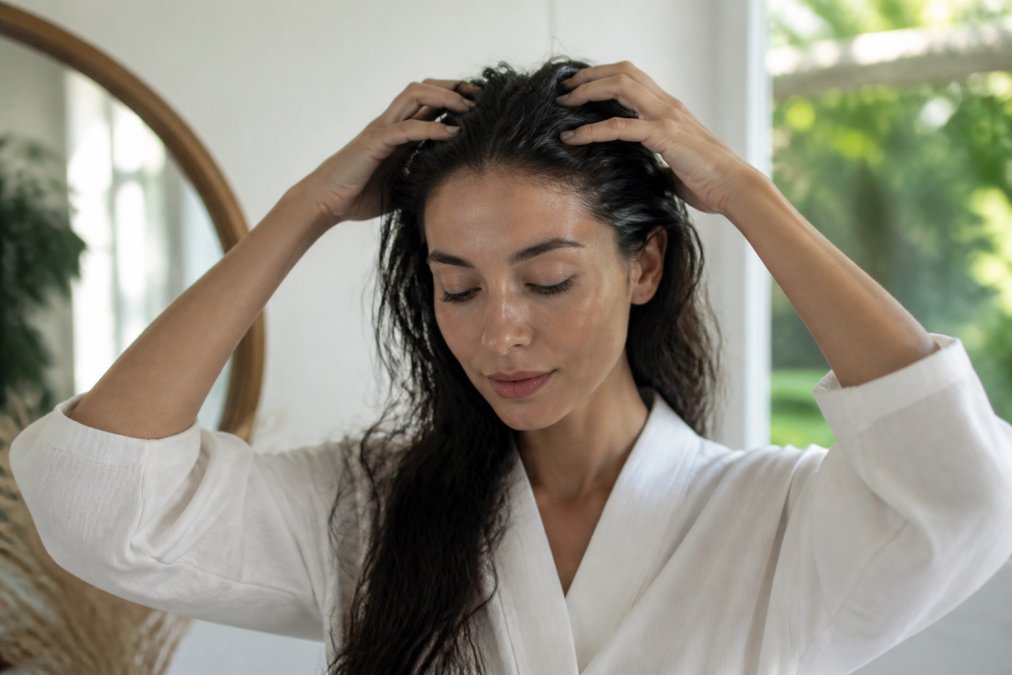
Perform scalp massage in the evening before bed to allow increased blood flow to persist during sleep, when your body prioritises tissue repair and growth hormone release.
You can enhance this technique by applying a scalp oil during massage. Virelle Beauty's Hair Care Growth Lotion Spray (£12.99) works well for this purpose; apply it to your scalp, then perform your massage routine. The spray's formulation supports follicle health while the massage action drives deeper penetration.

Consistency matters more than intensity. A gentle 5-minute daily massage outperforms aggressive weekly sessions. Perform scalp massage when your scalp is clean and slightly damp to reduce friction and allow your fingertips to glide smoothly without pulling hair strands.
Step 2: Nourish From Within With Targeted Nutrition
Hair follicles cannot produce strong, thick strands without adequate micronutrient supply. Keratin synthesis requires specific amino acids, biotin, iron, zinc, and omega-3 fatty acids.
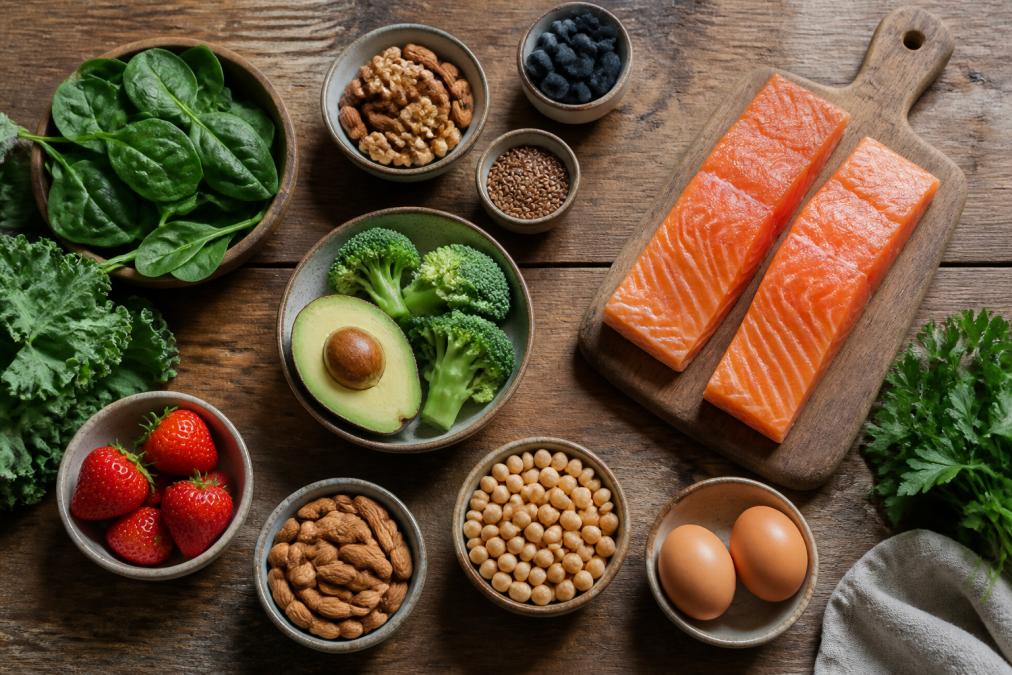
Increase dietary sources of critical nutrients: fatty fish like salmon provide omega-3 fatty acids that reduce scalp inflammation, leafy greens deliver iron and magnesium for oxygen transport to follicles, eggs contain choline and lutein for hair density, and nuts and seeds provide zinc for follicle cell division.
If your diet is already reasonably balanced, biotin supplementation (2.5 mg daily) has shown modest but consistent benefits for hair thickness. Iron supplementation helps only if you have documented low iron levels; excess iron creates oxidative stress, so testing before supplementing is essential.
Consider eliminating suspected food sensitivities if you suspect inflammation is driving hair loss. Track your hair shedding for two weeks, eliminate a suspected trigger for two weeks, then reintroduce it to assess changes.
Hydration supports all metabolic processes, including hair growth. Aim for 2-3 litres of water daily.

Step 3: Use Best Hair Thickening Products for Women
Natural products that support scalp health and follicle function accelerate results from lifestyle changes. The best hair thickening products for women combine ingredients that improve circulation, reduce inflammation, and provide follicles with essential nutrients.
Virelle Beauty's Hair Growth Liquid (£5.99) delivers concentrated botanical extracts that stimulate scalp circulation and support follicle health. For more comprehensive support, the EELHOE Hair Enrichment Moisturises (£29.99) combines rosemary, coconut oil, and amino acids in a shampoo base that addresses multiple causes of thinning simultaneously. Rosemary has documented effects on scalp circulation and follicle stimulation, while coconut oil provides anti-inflammatory benefits.
The key distinction between effective products and marketing-driven ones lies in ingredient transparency and concentration. Apply topical treatments consistently, twice daily if possible. These products work best when combined with scalp massage, nutritional support, and stress management.
Step 4: Manage Stress and Support Hormonal Balance
Chronic stress disrupts hormonal balance and accelerates follicles into the telogen shedding phase. Cortisol elevation directly impairs follicle function and increases DHT sensitivity.
Stress management directly impacts hair health. Practices that reduce cortisol, meditation, regular exercise, adequate sleep, and social connection, produce measurable improvements in hair density over 8-12 weeks. Exercise improves scalp circulation, reduces cortisol, supports hormonal balance, and enhances sleep quality. Aim for 150 minutes of moderate activity weekly.
Sleep quality directly affects hair growth. During deep sleep, your body releases growth hormone and prioritises tissue repair. Hair follicles are particularly active during sleep cycles. Aim for 7-9 hours nightly with a consistent sleep schedule.
For women experiencing postpartum hair thinning, understand that this represents a normal hormonal transition. Postpartum telogen effluvium typically resolves within 6-12 months as hormones stabilise. If you're considering hormonal contraceptives or hormone replacement therapy, discuss potential hair effects with your GP, as some formulations support hair health while others may worsen thinning.
When to See a GP for Hair Loss
Consult your GP if hair thinning is accompanied by scalp pain, visible lesions, or signs of infection, as these suggest conditions requiring medical evaluation such as alopecia areata, scalp psoriasis, or folliculitis.
Seek medical advice if hair loss occurs suddenly or affects specific patches rather than overall density. Your GP can order simple blood tests to identify nutritional deficiencies, hormonal imbalances, or thyroid dysfunction. If you've implemented natural approaches consistently for 6 months without improvement, medical evaluation becomes worthwhile. Document your hair shedding before your appointment by counting loose hairs after shampooing daily for one week.
How to Fix Thinning Hair Naturally: Your Action Plan
Fixing thinning hair naturally requires addressing multiple causes simultaneously. Begin immediately with scalp massage, perform 5 minutes of gentle circular massage daily, ideally in the evening. Simultaneously, audit your diet for nutritional gaps and increase fatty fish, leafy greens, eggs, nuts, and seeds.
Add a targeted topical product to your routine. Virelle Beauty's Hair Growth Liquid (£5.99) provides concentrated support for scalp circulation and follicle health, while the EELHOE Hair Enrichment Moisturises (£29.99) offers comprehensive nutritional support through your shampoo routine. Apply twice daily for maximum effectiveness.

Implement stress management practices immediately. Even 10 minutes of daily meditation or 30 minutes of walking produces measurable cortisol reduction. Prioritise sleep quality, as this single factor influences hair growth significantly.
Track your progress objectively. Count loose hairs weekly, photograph your hair under consistent lighting monthly, and note changes in hair texture and breakage.
| Action | Timeline | Frequency |
|---|---|---|
| Scalp massage | Immediate start | Daily, 5 minutes |
| Dietary optimisation | Immediate start | Every meal |
| Topical product application | Immediate start | Twice daily |
| Stress management practice | Immediate start | Daily, 10-30 minutes |
| Progress tracking | Week 1 start | Weekly hair count, monthly photos |
| GP consultation | If no improvement after 6 months | One-time appointment |
This approach works because it addresses root causes rather than masking symptoms. Consistency matters more than perfection. A sustainable routine you maintain for 12 weeks outperforms an intense approach you abandon after two weeks.
Hair thinning responds well to natural interventions when you address the underlying causes rather than chasing quick fixes. The approaches covered here, scalp circulation, targeted nutrition, stress management, and consistent product support, work because they align with how your body actually produces healthy hair. At Virelle Beauty, we've curated products specifically to support this process: our Hair Growth Liquid and EELHOE Hair Enrichment Moisturises provide the topical foundation your natural routine needs. Start with scalp massage today, add nutritional support this week, and give yourself 12 weeks to assess results. Free UK shipping on orders over £30 makes it simple to build your complete hair health routine with Virelle Beauty.
Frequently Asked Questions
Q: Can I regrow my thinning hair naturally?
A: Hair regrowth depends on the cause and how long thinning has persisted. If your hair follicles are still active (not permanently damaged), natural remedies addressing scalp circulation, nutrient deficiency, and hormonal balance can support regrowth. Scalp massage increases blood flow to hair follicles, while biotin and omega-3 fatty acids can support hair health. Results typically take 3-6 months. If follicles are completely inactive, see your GP to discuss treatment options.
Q: What vitamin am I lacking if my hair is falling out?
A: Hair thinning can be associated with deficiencies in biotin, iron, zinc, vitamin D, or omega-3 fatty acids. Biotin supports keratin production, while iron carries oxygen to follicles. Vitamin D regulates the hair cycle. A blood test from your GP can confirm deficiencies. Once identified, targeted supplementation combined with dietary changes (eggs, salmon, leafy greens, nuts) can support hair health.
Q: How long does it take to see results from natural hair treatments?
A: Most natural remedies require 8-12 weeks to show visible results because hair grows in cycles. The anagen (growth) phase lasts 2-7 years, so improvements in scalp health and nutrient delivery take time to manifest as thicker strands. Scalp massage and topical treatments like the Hair Care Growth Lotion Spray may support hair health within 2-4 weeks, but true hair regrowth and increased density require patience and consistency.
Q: Are essential oils effective for hair thinning?
A: Essential oils like rosemary, peppermint, and lavender can improve scalp circulation and reduce inflammation when applied with a carrier oil, supporting follicle stimulation. Rosemary oil has shown promise in research for promoting hair growth by increasing blood flow. However, they work best as part of a broader approach, combined with scalp massage, proper nutrition, and stress management. Always dilute essential oils before applying to avoid scalp irritation.
This article was written using GrandRanker
0 comments