

Table of Contents
- Why Natural Hair Care Alternatives Matter
- Best Silicone-Free Shampoo Options in the UK
- Plant-Based Active Ingredients That Repair Hair
- How to Transition to Natural Shampoo
- Non-Toxic Hair Care Ingredients to Avoid
- Natural Alternatives for Scalp Health and Hair Growth
- Cost-Benefit Analysis: Natural vs. Synthetic Hair Products
- Conclusion
Last Updated: August 15, 2026
Why Natural Hair Care Alternatives Matter
The shift toward natural hair care alternatives isn't just a trend, it reflects a fundamental change in how people think about what goes into their bodies and onto their skin. Many consumers report that conventional hair products leave their scalp irritated, their hair weighed down, or their strands brittle and prone to breakage. The culprits are often silicones, sulphates, and synthetic polymers that promise shine and smoothness but accumulate over time, stripping hair of its natural oils and moisture.
Natural hair care alternatives work differently. Instead of coating the hair cuticle with synthetic polymers, plant-based formulations focus on genuine repair: nourishing the hair follicle, balancing the scalp microbiome, and strengthening strands from within. At virelle beauty, we've curated a selection of hair care tools and products designed around this principle, delivering visible results without fillers or false promises.
The real distinction between natural and conventional approaches comes down to efficacy over time. Synthetic products often deliver immediate shine but create dependency; natural alternatives may feel different initially but tend to improve hair health progressively. Understanding this difference helps you make informed choices about which products genuinely serve your hair's long-term health.
Best Silicone-Free Shampoo Options in the UK
Choosing a silicone-free shampoo means prioritising cleansing agents that remove buildup without leaving synthetic residue. The best silicone-free shampoo UK options use sulphate-free surfactants derived from plant sources, which cleanse effectively whilst respecting the hair's natural pH balance.
Look for shampoos that list plant-based active ingredients like coconut oil derivatives, argan oil, or botanical extracts as primary cleansing agents. These formulations typically cost between £8 and £18 per bottle, though premium natural brands may run higher. The key is understanding that silicone-free doesn't automatically mean "natural", some silicone-free products still contain synthetic preservatives or chemical thickeners. Read ingredient labels carefully.
A practical approach: start with a mid-range silicone-free option (£10-14) and use it consistently for at least three weeks before assessing results. Many people experience a transition period where hair feels different as buildup clears; this is normal and typically resolves within 7-10 washes.
Plant-Based Active Ingredients That Repair Hair
Plant-based active ingredients work by penetrating the hair cuticle and strengthening the protein structure within each strand, rather than coating the surface. The most effective ingredients include aloe vera (which hydrates and reduces scalp irritation), coconut oil (which provides emollient protection and reduces protein loss), and keratin-rich plant extracts like bamboo or horsetail (which reinforce hair elasticity and density).
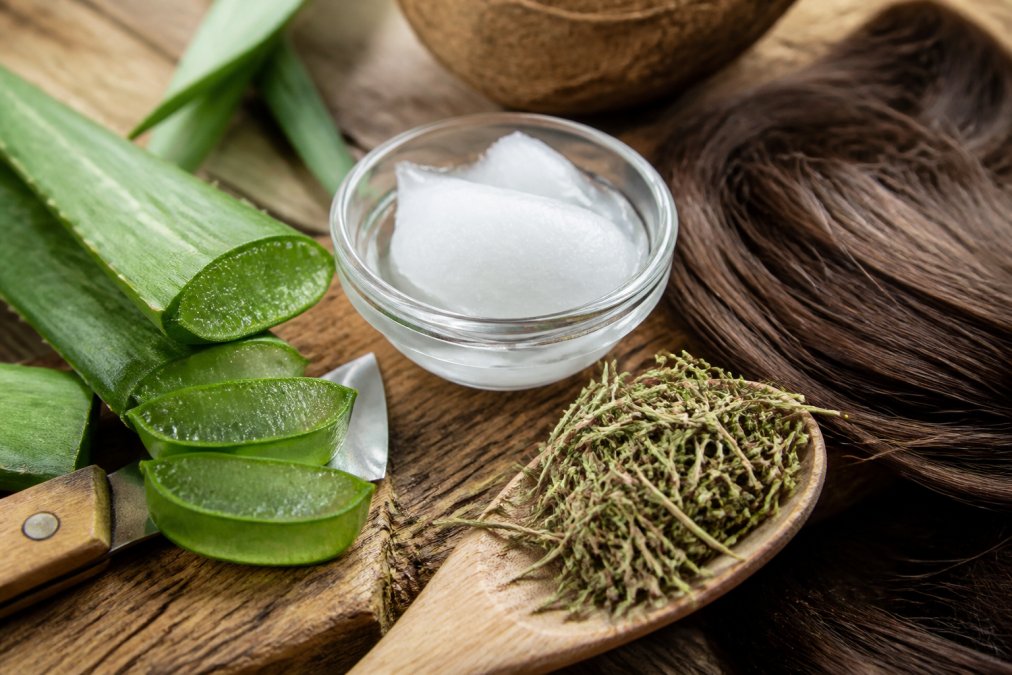
Argan oil is another standout: rich in antioxidants and vitamin E, it repairs damaged hair whilst improving shine without creating buildup. Jojoba oil mimics the scalp's natural sebum, making it ideal for balancing moisture in both dry and oily hair types. These ingredients are often combined in formulations to address multiple concerns simultaneously, hydration, elasticity, and scalp health working in concert.
The efficacy of plant-based ingredients depends on concentration and formulation quality. Many mass-market products include these botanicals in trace amounts, relying on them for marketing appeal rather than therapeutic benefit. Effective natural hair care products typically dedicate 15-25% of their formula to active plant ingredients, allowing them to deliver measurable improvements in hair texture and scalp condition.
How to Transition to Natural Shampoo
Transitioning to natural shampoo requires patience and understanding what to expect during the adjustment period. Most people experience an initial phase, typically 7-14 days, where hair feels greasier or less voluminous than before. This occurs because your scalp has adapted to conventional products by over-producing oil to compensate for the stripping effect of sulphates. Natural shampoos don't strip, so your scalp gradually normalises its oil production.
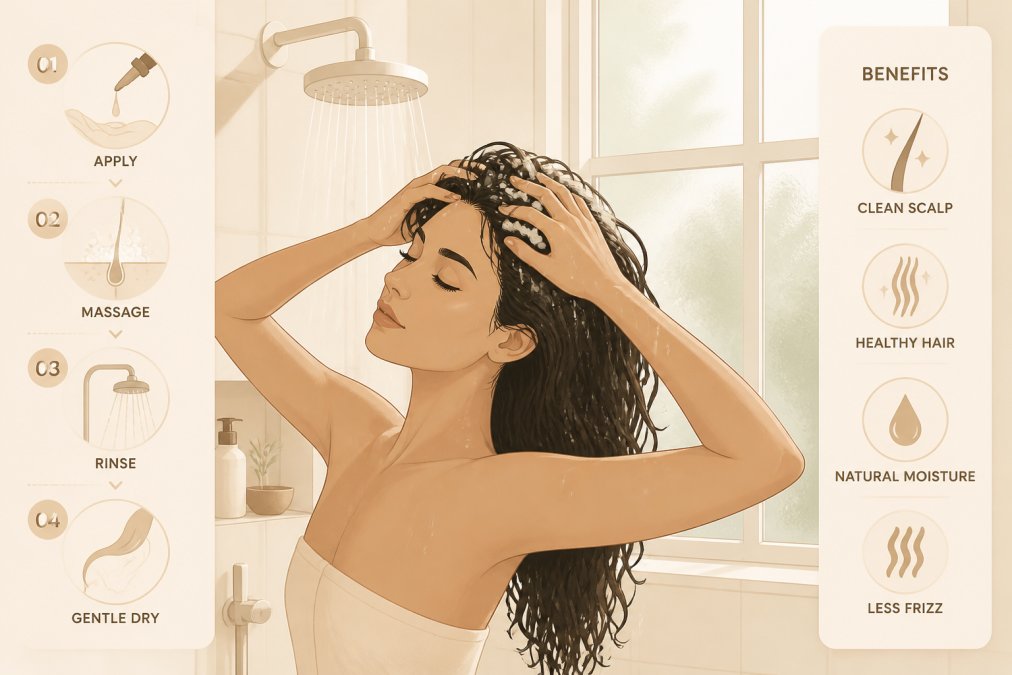
Here's a practical transition strategy:
- Week 1-2: Use your new natural shampoo every other day, alternating with your previous product. This gradual shift allows your scalp to adjust without dramatic changes.
- Week 3-4: Switch fully to the natural shampoo. If greasiness persists, reduce the amount you use, natural formulations are often more concentrated than conventional ones.
- Week 5+: Assess results. Your scalp should stabilise, and you'll likely notice improved hair texture and reduced frizz.
A common mistake is abandoning natural shampoo too early, interpreting the transition period as failure rather than adjustment. Hair typically requires 4-6 weeks to fully adapt and show genuine improvement in elasticity, shine, and scalp health.
Non-Toxic Hair Care Ingredients to Avoid
Understanding which ingredients to avoid is equally important as knowing which to embrace. Silicones (dimethicone, cyclomethicone) are synthetic polymers that coat the hair cuticle, creating temporary shine and smoothness whilst trapping moisture and preventing genuine repair. Over time, silicone accumulation causes hair to feel heavy, dull, and dependent on continued use.
Sulphates (sodium lauryl sulphate, sodium laureth sulphate) are aggressive surfactants that strip natural oils from both hair and scalp, disrupting the scalp microbiome and triggering compensatory oil production. Parabens (methylparaben, propylparaben) are preservatives linked to endocrine disruption; whilst regulatory bodies like the Medicines and Healthcare products Regulatory Agency (MHRA) have deemed them safe at current concentrations, many consumers prefer to avoid them as a precaution.
Phthalates, often hidden under the umbrella term "fragrance," are plasticisers used in synthetic fragrances to improve longevity. They're not typically listed individually on labels, making them difficult to identify. Formaldehyde and formaldehyde-releasing preservatives (like DMDM hydantoin) are used in some hair products to prevent microbial growth but can irritate sensitive scalps.
Synthetic dyes and FD&C colorants, whilst approved for cosmetic use, may trigger reactions in people with sensitive skin or scalp conditions. Mineral oil and petrolatum, derived from petroleum, create an occlusive barrier that can trap bacteria and prevent moisture exchange, making them problematic for scalp health despite being inexpensive and widely used.
Natural Alternatives for Scalp Health and Hair Growth
Scalp health is foundational to hair growth. A balanced scalp microbiome, the ecosystem of bacteria and fungi living on your skin, supports hair follicle health and prevents conditions like dandruff, seborrheic dermatitis, and hair thinning. Natural alternatives for scalp health focus on restoring this microbiome balance rather than using anti-bacterial agents that indiscriminately kill beneficial organisms.
Tea tree oil, derived from the Australian tea tree, has genuine antimicrobial properties without being overly aggressive. Used in diluted form (typically 2-3% concentration in a carrier oil), it reduces scalp irritation and supports the growth environment. Peppermint oil stimulates blood flow to the scalp, potentially improving nutrient delivery to hair follicles. Neem oil, used in Ayurvedic medicine for centuries, contains compounds that support scalp health and may help reduce hair loss associated with scalp inflammation.
For hair growth specifically, biotin (a B-vitamin found in plant sources like sunflower seeds and almonds) supports keratin production, the protein that forms hair structure. Saw palmetto extract may help block DHT, a hormone implicated in male-pattern hair loss, though evidence remains mixed. Rosemary extract has shown promise in studies for supporting hair density, likely through improved scalp circulation and antioxidant protection.
The most effective approach combines topical treatments (scalp oils and serums) with nutritional support. Hair grows from within; a diet rich in protein, iron, zinc, and B-vitamins provides the raw materials your body needs to produce strong, healthy hair. Natural hair care products work best when paired with genuine scalp care, regular massage to stimulate circulation, gentle cleansing to prevent buildup, and patience as your scalp microbiome rebalances.
Cost-Benefit Analysis: Natural vs. Synthetic Hair Products
Comparing natural and synthetic hair products requires looking beyond initial purchase price to long-term value and actual results. A conventional shampoo might cost £3-6 per bottle, whilst a quality natural alternative typically runs £10-18. The immediate cost difference is substantial, but this comparison omits crucial variables.
Synthetic products often require more frequent washing because they don't genuinely clean, they redistribute oils and coat the hair. You might wash your hair three times weekly with conventional products but only twice weekly with natural alternatives, reducing consumption. A £12 natural shampoo used twice weekly lasts longer than a £5 conventional shampoo used three times weekly, narrowing the cost gap significantly.
Beyond volume consumed, consider hair health outcomes. Synthetic products may deliver immediate shine but often leave hair prone to breakage, split ends, and frizz, problems that compound over time. Many people find they need additional products (serums, oils, leave-in conditioners) to manage these issues, increasing total spending. Natural alternatives often eliminate the need for supplementary products because they address underlying hair health rather than masking problems.
There's also the environmental and ethical dimension. Conventional products frequently contain ingredients derived from petroleum or requiring animal testing. Natural alternatives typically use sustainably sourced plant ingredients and are often certified cruelty-free. If environmental impact matters to you, and for many conscious consumers it does, the true cost of synthetic products includes ecological damage not reflected in the price tag.
A practical calculation: if you spend £15 monthly on conventional hair care (shampoo, conditioner, styling products, repair treatments) versus £25 monthly on high-quality natural alternatives, but natural products reduce hair damage and eliminate the need for corrective treatments, you're actually saving money whilst improving outcomes. Most people report visible improvements in hair health within 8-12 weeks of switching to quality natural products.
| Factor | Synthetic Products | Natural Alternatives |
|---|---|---|
| Upfront cost per bottle | £3-8 | £10-20 |
| Frequency of washing | 3+ times weekly | 2 times weekly |
| Monthly spend (typical) | £15-20 | £20-30 |
| Additional products needed | Often (serums, oils, treatments) | Rarely |
| Hair health trajectory | Temporary improvement, long-term damage | Progressive improvement over 8-12 weeks |
| Environmental impact | High (petroleum-derived, chemical runoff) | Low (plant-based, biodegradable) |
| Long-term value | Lower (requires ongoing corrective products) | Higher (addresses root causes) |
Making the shift to natural hair care alternatives requires moving past marketing claims and understanding what actually happens inside your hair. Silicone-free, sulphate-free formulations with genuine plant-based active ingredients deliver visible improvements in hair elasticity, scalp health, and long-term hair quality, but only if you commit to the transition period and choose products with real concentrations of effective ingredients.
At virelle beauty, we've selected hair care tools designed to complement natural products: the Electric Essential Oil Spray Air Cushion Massage Comb (£19.99) combines essential oil infusion with gentle detangling, perfect for hair transitioning to natural care. The Electric High Speed Hair Dryer (£49.99) uses negative ion technology to reduce frizz and heat damage whilst drying quickly, essential support for maintaining natural hair health. These tools, paired with genuine natural products, transform your daily regimen into a purposeful ritual that delivers tangible results. Explore our curated collection and discover how intentional hair care creates real, lasting change. Free UK shipping on orders over £30.


Frequently Asked Questions
What are the best natural hair care alternatives to conventional products?
Natural hair care alternatives focus on plant-based active ingredients, silicone-free formulations, and sulphate-free cleansing methods. Look for products containing coconut oil, argan oil, aloe vera, and botanical extracts that nourish the hair cuticle without synthetic polymers or harsh surfactants. These alternatives deliver genuine results through clean label formulations that support scalp microbiome health whilst reducing product buildup over time.
How do I transition to natural shampoo without experiencing the adjustment period?
The transition typically lasts 2-4 weeks as your scalp adjusts to natural formulations. Start by gradually mixing your natural shampoo with your previous product, increasing the ratio over time. Reduce washing frequency to every other day, use cooler water to minimise scalp irritation, and apply natural conditioning agents like coconut oil to the ends. Common mistakes include switching abruptly or giving up too soon, patience during this period is essential for success.
Are silicone-free hair products really better for long-term hair health?
Yes. Silicones coat the hair shaft temporarily but prevent moisture retention and create buildup that requires harsher cleansing. Silicone-free alternatives allow water and natural conditioning agents to penetrate the hair cuticle, improving elasticity and reducing breakage. Over time, hair density and overall health improve significantly. However, the transition period may feel uncomfortable as your hair releases accumulated synthetic residue.
Which non-toxic hair care ingredients should I actively avoid?
Avoid sulphates (sodium lauryl sulphate), parabens, silicones, synthetic fragrances, and formaldehyde-releasing preservatives. These ingredients strip natural oils, disrupt scalp microbiome balance, and accumulate in hair follicles. Additionally, watch for synthetic polymers that create temporary shine but prevent genuine conditioning. Read labels for 'clean beauty' certifications and look for paraben-free, preservative-free alternatives when possible, though some natural preservatives are necessary for product stability.
This article was written using GrandRanker
0 comments