

Table of Contents
- What Makes Clean Beauty Products Different
- Ingredients to Avoid in Skincare
- How to Read Beauty Ingredient Labels
- Identifying Greenwashing and False Claims
- Clean Beauty for Sensitive and Reactive Skin
- Budget-Friendly Clean Beauty Without Compromise
- Building Your Clean Beauty Routine
Last Updated: August 14, 2026
What Makes Clean Beauty Products Different
Clean beauty products without harmful fillers represent a fundamental shift in how we approach skincare and cosmetics. Rather than relying on synthetic chemicals and questionable preservatives, these products prioritise ingredient transparency and efficacy. The difference lies not in marketing language alone, but in what's deliberately excluded from formulations.
At virelle beauty, we've curated a collection built on this principle: every product is chosen because it delivers visible results without the fillers that complicate your routine. Clean beauty products prioritise active ingredients that actually work, combined with minimal but effective preservatives that maintain safety without unnecessary additives.
The core distinction between clean beauty and conventional products hinges on ingredient philosophy. Conventional skincare often includes parabens, synthetic fragrances, talc, silicones, and other ingredients that serve manufacturing convenience rather than skin health. Clean beauty products, by contrast, eliminate these fillers entirely, replacing them with plant-based actives, mineral-based alternatives, and preservative systems that have undergone rigorous safety testing.
This approach demands more from formulation science. It's easier to make a product with cheap fillers and call it effective. It's harder to create something that actually performs without them. That's precisely why clean beauty products command attention from those who've experienced the difference: reduced irritation, clearer skin, and routines that feel intentional rather than obligatory.
Ingredients to Avoid in Skincare
Understanding which ingredients to avoid in skincare is your first line of defence against products that promise results whilst delivering irritation and long-term skin damage. Several categories of ingredients warrant particular scrutiny, not because they're universally dangerous, but because safer alternatives exist for nearly every function they serve.
Parabens are preservatives designed to prevent bacterial growth in formulations. They're inexpensive and effective, which is why they appear in countless mass-market products. However, parabens have demonstrated endocrine disruptor properties in some studies, meaning they can interfere with hormonal systems even at low concentrations. For skincare applied daily to permeable facial skin, choosing paraben-free alternatives is straightforward.
Phthalates are plasticisers added to fragrances to make scent last longer on skin. They're rarely listed explicitly, manufacturers often hide them under the umbrella term "fragrance." Phthalates are known endocrine disruptors linked to reproductive and developmental concerns. Fragrance-free or naturally fragranced products eliminate this exposure entirely.
Talc has long been used as a thickening and absorbing agent in powders and foundations. Its structure is chemically similar to asbestos, and contamination risks remain a concern in sourcing. Mineral-based alternatives like mica and zinc oxide provide identical functionality without the associated uncertainty.
Silicones create a temporary smoothing effect on skin, which is why they dominate primers and foundations. They don't allow skin to breathe and can trap bacteria and dead skin cells, exacerbating congestion over time. For those with reactive skin or acne-prone conditions, silicone-free formulations often deliver better long-term results.
Synthetic fragrances beyond phthalates include numerous undisclosed chemicals that can trigger sensitivity reactions. Natural essential oils and fragrance-free formulations serve the same purpose without the irritation risk.
How to Read Beauty Ingredient Labels
Learning how to read beauty ingredient labels transforms you from a passive consumer into an informed buyer capable of identifying whether a product truly qualifies as clean beauty products without harmful fillers.
Ingredients are listed in descending order by concentration. The first five ingredients comprise approximately 80% of the formula. If you see water, glycerin, or a botanical extract as the first ingredient, you're looking at a product with a solid base. If you see mineral oil or silicone, the product prioritises slip and texture over skin health.
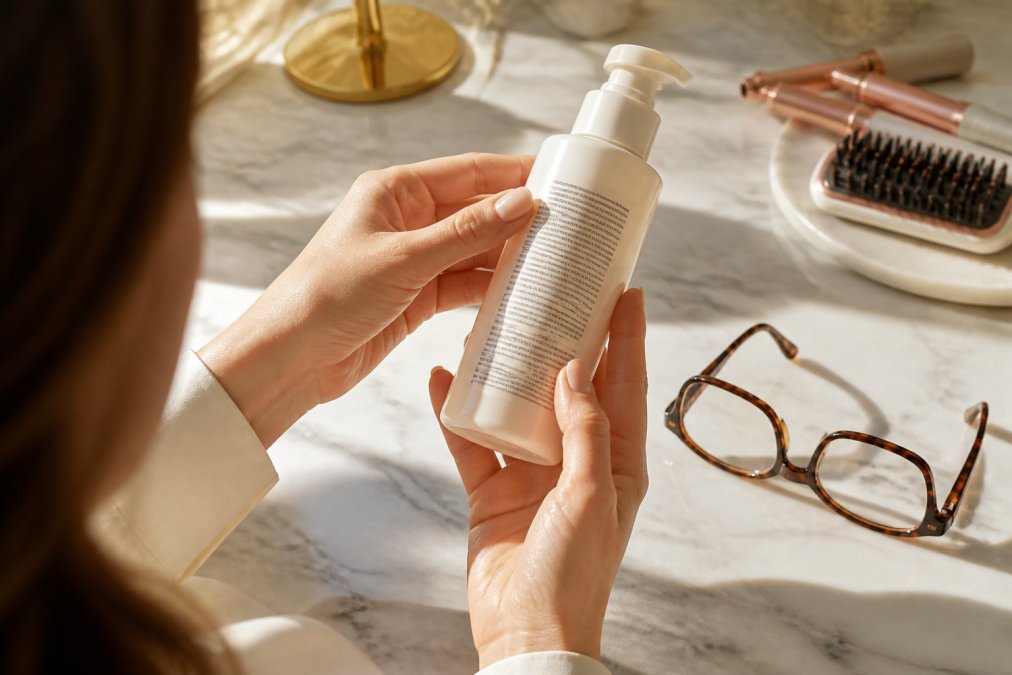
Look for ingredient transparency beyond the label itself. Reputable brands provide detailed breakdowns of why each ingredient appears in their formulation. If a brand can't explain the purpose of an ingredient, that's a red flag. Clean beauty products without harmful fillers come from companies willing to defend every single component.
Recognise marketing language for what it is. "Natural," "botanical," and "plant-based" sound appealing but carry no regulatory weight. A product can be 99% synthetic and still feature one plant extract prominently in marketing. The ingredient list is legally binding; marketing claims are not.
Molecular weight matters more than most people realise. Ingredients with larger molecular structures cannot penetrate the skin barrier effectively, meaning they sit on the surface providing temporary benefits. Smaller molecules like hyaluronic acid and niacinamide actually absorb and deliver results. When comparing products, prioritise those with bioavailable actives, ingredients your skin can actually use.
Preservative systems deserve particular attention. A product without any preservatives will grow bacteria and mould. The question isn't whether a product contains preservatives, but which ones. Phenoxyethanol, sodium benzoate, and potassium sorbate are effective and well-tested. Parabens and formaldehyde-releasers are what to actively avoid.
Identifying Greenwashing and False Claims
Greenwashing, the practice of making products appear more sustainable, natural, or "clean" than they actually are, has become rampant in the beauty industry. Learning to identify it protects both your skin and your wallet.
The most common greenwashing tactic is the "clean label" aesthetic combined with vague ingredient descriptions. A product with minimalist packaging, earthy colours, and words like "pure," "natural," and "gentle" might contain exactly the same problematic ingredients as conventional products. The packaging changed; the formula didn't.
Certification matters, but only specific ones. Look for third-party certifications like COSMOS Organic, Ecocert, or Leaping Bunny. These involve independent audits and carry actual standards. A brand's own claim of being "clean" or "natural" is marketing, not verification.
"Dermatologist-tested" sounds credible but means almost nothing. A dermatologist tested the product once and reported whether it caused immediate irritation. This says nothing about long-term effects, ingredient safety, or efficacy. "Dermatologist-recommended" is marginally better but still relies on individual opinion rather than systemic evidence.
Watch for ingredient highlighting that obscures the full picture. A product might advertise "with organic rose extract" whilst burying parabens and synthetic fragrances in the ingredient list. The highlighted ingredient is often present in negligible amounts, enough to list but not enough to deliver benefit.
Clean Beauty for Sensitive and Reactive Skin
For those with sensitive or reactive skin, clean beauty products without harmful fillers become not a preference but a necessity. Reactive skin responds poorly to common irritants, and conventional products often contain multiple triggers in a single formula.
The first principle for sensitive skin is minimalism. Fewer ingredients mean fewer potential irritants. This doesn't mean "natural" ingredients, some natural botanicals are notorious sensitisers. It means a focused formula with ingredients chosen specifically for their non-irritating, skin-barrier-supporting properties.
Niacinamide is a powerhouse for reactive skin. It reduces inflammation, strengthens the skin barrier, and regulates sebum production. Unlike many actives, it's gentle enough for daily use even on compromised skin. Centella asiatica (cica) similarly calms irritation and supports barrier repair without the harshness of exfoliating or strong actives.
Fragrance-free is non-negotiable for sensitive skin. Even "natural" fragrances derived from essential oils can trigger reactions. Unscented products eliminate this variable entirely. Similarly, products free from essential oils, which can be irritating despite their botanical origin, perform better for reactive skin types.
Preservative choice becomes critical here. Phenoxyethanol is gentler than parabens for sensitive skin. Potassium sorbate and sodium benzoate, whilst not ideal for all skin types, are less likely to trigger reactions than paraben combinations.
Patch testing before committing to a new product is essential. Apply a small amount to your inner arm or behind your ear for 24-48 hours. If no reaction occurs, introduce it gradually into your routine. Reactive skin often improves dramatically once you identify and eliminate specific triggers.
Budget-Friendly Clean Beauty Without Compromise
The assumption that clean beauty products without harmful fillers cost significantly more than conventional alternatives is largely false. Strategic shopping reveals genuinely effective products at accessible price points.
Virelle beauty's curated selection includes options like the Rare Beauty Always Sunny Happy Sol Silky Three-Dimensional Bronze Contour Stick at £8.99, which delivers clean formulation without the premium pricing. This product contains no talc, parabens, or synthetic fragrances, it's genuinely clean without requiring a luxury budget.

The key to budget-friendly clean beauty is understanding where to prioritise. Your moisturiser and sunscreen deserve investment because they're used daily and directly affect skin health. A £20-30 moisturiser used twice daily over a year represents better value than a £5 product that doesn't work. Conversely, serums and treatments can often be sourced affordably without sacrificing quality.
Avoid the trap of believing that price correlates with efficacy. Some expensive brands rely on packaging and marketing rather than superior formulations. Some affordable brands deliver genuinely effective products because they prioritise formula over branding. Reading ingredient lists and understanding what actually benefits your skin type matters far more than the price tag.
Multi-purpose products reduce overall spending. A good moisturiser with SPF eliminates the need for separate sunscreen. A serum that addresses both hydration and brightening consolidates your routine. This approach also reduces the number of potentially irritating ingredients you're exposing your skin to daily.
Look for products sold by virelle beauty and similar curated retailers that bundle complementary items. Free UK shipping on orders over £30 means you can build a complete routine without paying inflated shipping costs. This makes building a clean beauty routine genuinely affordable compared to purchasing individual products from multiple retailers.
Building Your Clean Beauty Routine
A clean beauty routine differs from conventional skincare primarily in ingredient selection and intentionality. Rather than applying multiple products in hopes that something works, you're building a targeted routine where every product serves a specific, evidence-based purpose.
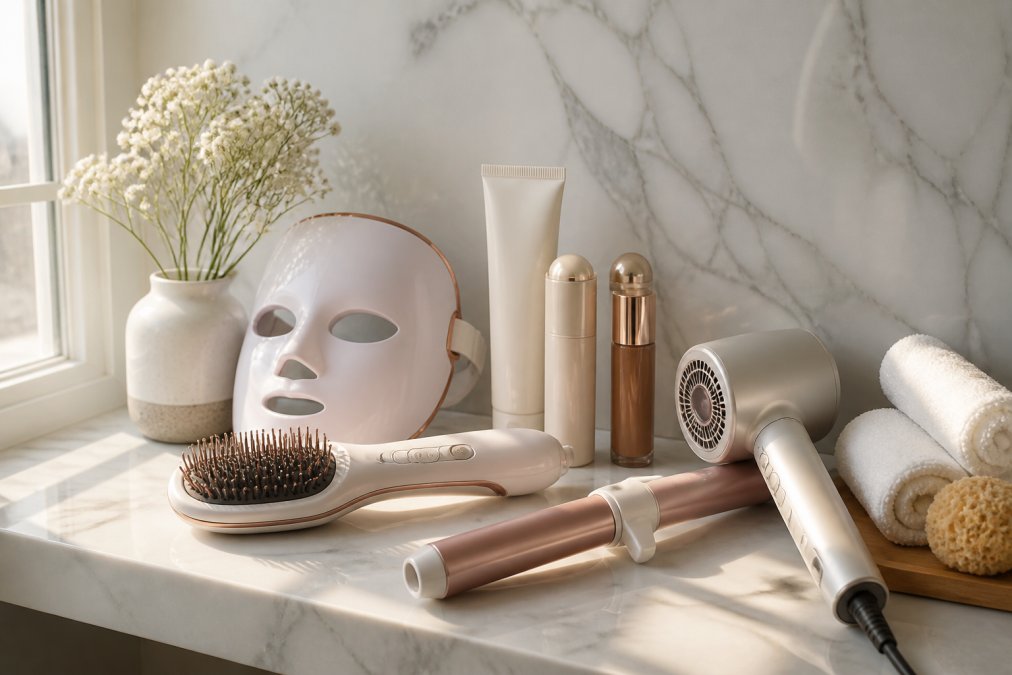
Start with the essentials: a gentle cleanser, a moisturiser matched to your skin type, and a broad-spectrum sunscreen. These three address the fundamental needs of cleansing, hydration, and protection. Everything else, serums, treatments, exfoliants, builds on this foundation.
Choose a cleanser that removes makeup and daily grime without stripping natural oils. Oil cleansers work well for most skin types, including oily and acne-prone skin, because they dissolve sebum without disrupting the skin barrier. Water-based cleansers suit sensitive skin. Avoid cleansers with sulfates, which are harsh drying agents that damage the skin barrier over time.
Moisturiser selection depends on your skin type. Dry skin benefits from richer creams with ceramides and plant oils. Oily skin needs lightweight hydrators with glycerin and hyaluronic acid that hydrate without feeling heavy. The goal is barrier health, not shine control.
Sunscreen is non-negotiable. UV damage accelerates ageing and increases skin cancer risk. Mineral sunscreens with zinc oxide or titanium dioxide sit on the skin surface and reflect UV rays. Chemical sunscreens absorb into the skin and convert UV energy into heat. Both work; choose based on your skin's preference and sensitivity level.
Introduce additional products one at a time, waiting 2-4 weeks between additions. This allows you to identify which products actually benefit your skin and which trigger reactions. A common mistake is applying too many new products simultaneously, then being unable to pinpoint which one caused a problem.
Serums and treatments should target specific concerns. Vitamin C brightens and supports collagen production. Niacinamide reduces inflammation and regulates sebum. Hyaluronic acid hydrates. Retinol increases cell turnover and improves texture. Choose products addressing your actual concerns rather than applying everything available.
Consistency matters more than complexity. A simple routine followed daily outperforms an elaborate routine used sporadically. Clean beauty products without harmful fillers often show results more gradually than conventional products because they're not relying on irritation to create the appearance of improvement. Give your routine at least 6-8 weeks before assessing effectiveness.
Building a clean beauty routine is an investment in long-term skin health rather than quick fixes. The products you choose should feel intentional, deliver visible results, and support your skin barrier rather than compromise it. At virelle beauty, we've selected products that meet these standards, ensuring your daily ritual feels purposeful and genuinely effective. Start with your essentials, introduce new products thoughtfully, and trust that simpler routines often deliver better outcomes than complex ones laden with unnecessary ingredients.
Frequently Asked Questions
What are the most harmful fillers to avoid in clean beauty products?
Common harmful fillers include parabens (which mimic hormones), phthalates (linked to endocrine disruption), talc (a potential carcinogen), silicones (which suffocate skin), and synthetic fragrance compounds. Sulfates strip natural oils, whilst certain preservatives damage your skin barrier. Reading the ingredient list and recognising these names is your first line of defence. Clean beauty products eliminate or replace these with plant-based actives, mineral-based alternatives, and gentle preservatives that support skin health rather than compromise it.
How do I know if a brand is genuinely clean or just greenwashing?
Genuine clean beauty brands provide full ingredient transparency, list every component in plain language, and avoid vague terms like 'proprietary blend'. Check whether they're certified by independent bodies, look for cruelty-free certification or organic accreditation. Greenwashing brands use words like 'natural' or 'chemical-free' without backing claims with ingredient lists or third-party testing. Real clean brands admit limitations and don't promise overnight miracles. Compare their actual ingredient lists against known harmful substances rather than trusting marketing language alone.
Are clean beauty products regulated differently in the UK?
The UK follows strict regulations under the Cosmetic Products Enforcement Regulations 2013, which implement EU cosmetic law. Brands must list all ingredients, avoid banned substances, and ensure safety testing. However, 'clean' is a marketing term, not a legal one, there's no official definition. This means brands can claim to be clean without meeting specific standards. The best protection is learning to read ingredient lists yourself and seeking products with dermatologist testing, hypoallergenic formulations, and transparent sourcing rather than relying on unregulated marketing claims.
Can clean beauty products work for sensitive and reactive skin?
Yes, but with care. Clean beauty products often exclude common irritants like synthetic fragrance, parabens, and sulfates, making them suitable for sensitive skin. However, 'clean' doesn't automatically mean safe for your specific skin type, some natural extracts and plant-based actives can trigger reactions in reactive skin. Start with fragrance-free, hypoallergenic options and introduce one product at a time. Look for formulations designed for sensitive skin, dermatologist-tested products, and those that support your skin barrier health rather than stripping it. Patch testing before full use is essential, even with clean products.
This article was written using GrandRanker
0 comments