

Table of Contents
- Where Hidden Costs Hide in Beauty Shopping
- Understanding Price Per Ml in Beauty Comparison
- Retail Markup and Marketing Spend: What You're Actually Paying For
- Avoiding Impulse Beauty Purchases: A Practical Checklist
- Your Rights as a Consumer: UK Online Shopping Protection
- Loyalty Programmes and Subscription Models: Real Value or Hidden Traps?
- Ethical Sourcing and Product Safety: The Real Cost of Cheap Beauty
- Frequently Asked Questions
Last Updated: August 31, 2026
Where Hidden Costs Hide in Beauty Shopping
The beauty industry thrives on complexity. Between shipping surcharges, subscription traps, restocking fees, and inflated packaging costs, a £30 serum can easily cost you £50 by the time you've completed your purchase. Understanding where these hidden costs hide is the first step to avoiding them.
Shipping surcharges and minimum order thresholds
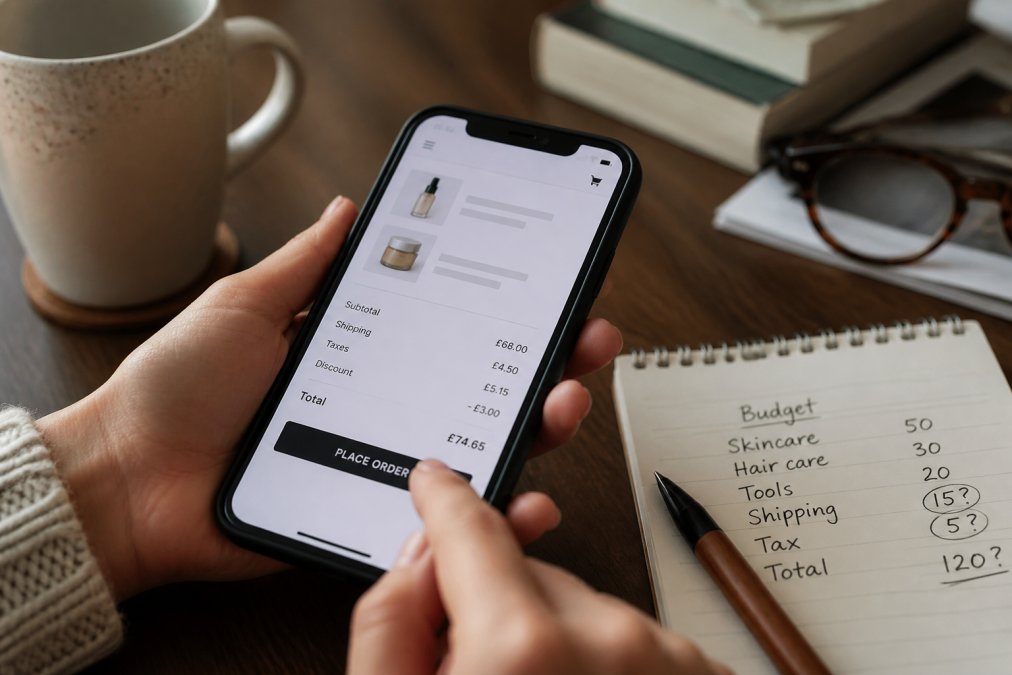
Many beauty retailers use shipping costs as a hidden profit centre. Some charge £4-8 per order regardless of value, while others use tiered shipping: free delivery on orders over £100, £6 for orders between £50-100, and £10 for anything smaller. Many impose minimum order thresholds requiring £40-50 before free shipping kicks in, forcing customers to buy items they didn't originally want. By the time shipping costs are revealed at checkout, you've already committed mentally to the purchase.
Subscription models and auto-replenishment traps
"Subscribe and save" models promise 10-15% discounts on recurring orders, but the trap is forgetting to cancel or receiving automatic replenishments when you don't need them. Some retailers make cancellation deliberately difficult, burying the option in account settings or requiring customer service contact. Others charge restocking fees when you return unopened subscription items, effectively locking you into paying for products you never wanted.
Restocking fees and return policy costs
Many retailers charge restocking fees of 15-25% on returned products, even if unopened. A £40 moisturiser with a 20% restocking fee means you receive only £32 back, losing £8 to the return process itself. Some retailers offer no returns at all on beauty products, citing health and safety regulations, which shifts all risk to the customer.
Understanding Price Per Ml in Beauty Comparison
Price per millilitre is the real unit cost of a beauty product, and it's the metric most shoppers ignore. A £50 serum in a 30ml bottle costs £1.67 per ml. The same formula in a 100ml bottle might cost £0.80 per ml, a 52% difference for identical product.
Retailers exploit this by selling small "travel sizes" at premium unit prices. A 5ml sample of a £50 serum might cost £15, which translates to £3 per ml, an 80% premium compared to the full 30ml bottle at £1.67 per ml.
Sample size versus full-size value
If you're buying multiple samples to build a routine, you're likely overpaying significantly. A better approach: buy one full-size product from a brand you trust, test it for 4-6 weeks, then build from there. This way, you're paying unit prices closer to the brand's actual cost structure, not the inflated sample markup.
How packaging and branding inflate the real cost
A significant portion of what you pay for beauty goes toward packaging, not product. Some estimates suggest packaging accounts for 20-40% of the retail price for premium beauty products (peer-reviewed research). A product in minimal, functional packaging costs less because less of your money goes to aesthetics.
Branding and marketing spend also inflate prices. A brand that spends heavily on influencer partnerships, advertising, and celebrity endorsements passes those costs to customers. Smaller, less-marketed brands often offer comparable formulas at lower prices because they don't carry the same marketing overhead.
Retail Markup and Marketing Spend: What You're Actually Paying For
Retail markup in beauty typically ranges from 100-300%, meaning a product that costs a brand £10 to manufacture might retail for £25-40 (peer-reviewed research). This covers distribution, retail overhead, staff, returns, and profit. Understanding this gap helps you make smarter purchasing decisions.
The difference between 'clean' marketing and greenwashing
The term "clean beauty" lacks regulatory definition and is used freely to command premium prices. True ingredient transparency means the brand discloses what's in the product and why each ingredient is there. Greenwashing means using the language of natural beauty and sustainability without meaningful action.
When evaluating a brand's claims, look for third-party certifications (Vegan Society, COSMOS, Leaping Bunny) rather than self-applied labels. These certifications carry legal weight and cost the brand money, making them more trustworthy than marketing language alone.
Ingredient transparency versus promotional hype
A brand that publishes full ingredient lists with explanations for each component is investing in transparency. Promotional hype often centres on a single "hero ingredient" at concentrations that may be too low to deliver meaningful results. Ingredient transparency also reveals sourcing practices, ethical sourcing costs more, and if a brand doesn't disclose sourcing, they're likely not paying premium prices for ethically harvested ingredients.
Avoiding Impulse Beauty Purchases: A Practical Checklist
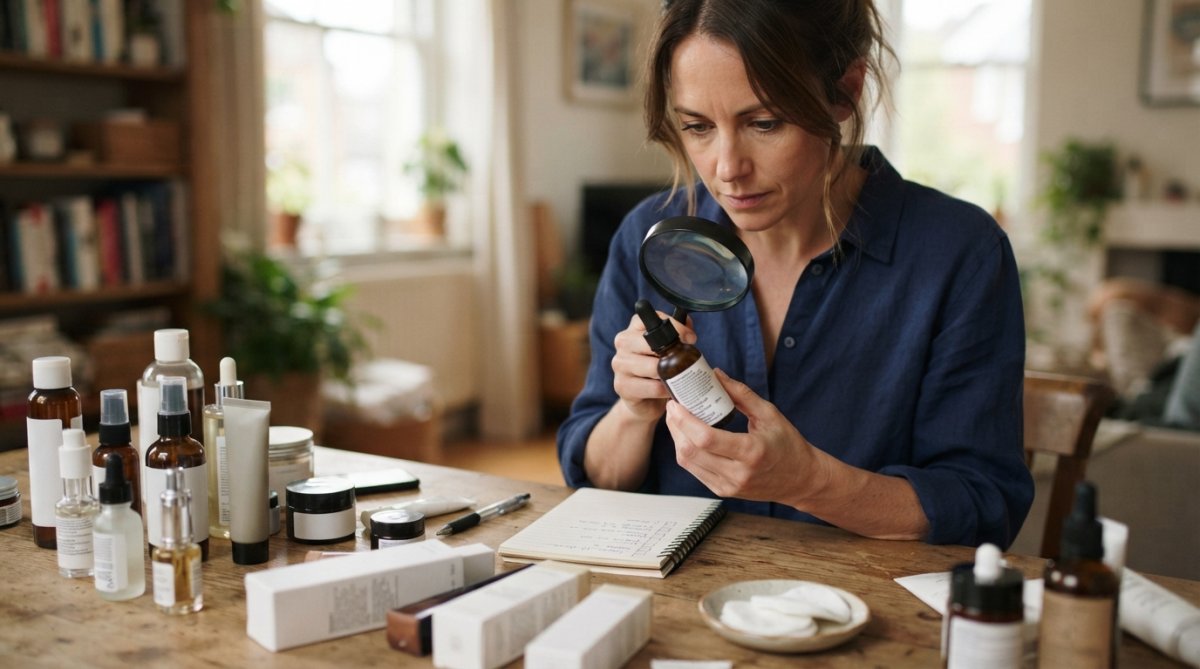
Impulse buying in beauty is engineered into the shopping experience. Limited-time offers, flash sales, influencer recommendations, and strategic product placement all trigger emotional purchasing decisions. A practical checklist helps you pause before checkout.
Red flags that signal overpriced or unnecessary products
Several warning signs indicate you're about to overpay or buy something you don't need:
- "Limited edition" or "exclusive" labels create artificial scarcity and urgency.
- Influencer-driven recommendations without independent reviews suggest hype rather than efficacy.
- Claims of results "clinically proven" without linked studies are marketing language, not science.
- Bundled "value sets" at inflated prices often include products you don't want.
- Products positioned as "solutions" to problems you don't have are created by marketing, not real needs.
- Subscription defaults without clear cancellation options bet you'll forget and keep paying.
Cost-benefit analysis before checkout
Before purchasing, run through this quick evaluation:
- Do I already own a similar product? Will this genuinely improve on what you have, or are you duplicating?
- What's the cost per ml compared to alternatives? If it's 50% higher than competitors for similar formulas, ask why.
- How long will this last at normal usage rates? A £40 moisturiser lasting 6 months costs roughly £6.67 per month.
- Am I buying because I need it, or because of marketing pressure? If marketing pressure, wait 48 hours. The urge usually passes.
- What's the return policy, and what would I lose if I return it? Factor in restocking fees or return shipping.
- Is this a subscription, and have I budgeted for recurring charges? Add the annual cost to your mental calculation, not just the first month.
Your Rights as a Consumer: UK Online Shopping Protection
Online beauty shopping in the UK is protected by consumer rights legislation that many shoppers don't fully understand.
What the Consumer Rights Act covers
The Consumer Rights Act 2015 establishes baseline protections for goods purchased online. Products must be:
- As described, matching the description, images, and claims made by the retailer.
- Of satisfactory quality, fit for purpose and lasting a reasonable length of time.
- Fit for purpose, suitable for the specific use you bought them for.
If a product fails any of these criteria, you have the right to a refund, replacement, or repair, regardless of the retailer's stated return policy. Restocking fees cannot override these statutory rights.
Distance selling regulations and your 14-day window
The Consumer Contracts Regulations 2013 grant you a 14-day "cooling-off" period for distance purchases. Within 14 days of receiving your order, you can cancel for any reason and receive a full refund, with limited exceptions.
Exceptions exist for hygiene products if the seal has been broken and it's been used. However, this doesn't apply to unopened products or products where you've simply tested a small amount. Some retailers attempt to override this right by stating "all sales final," but these statements are void. If a retailer refuses a valid return, you can escalate to your local Trading Standards office.
Loyalty Programmes and Subscription Models: Real Value or Hidden Traps?
Loyalty programmes and subscriptions are designed to increase customer lifetime value, but they often benefit the retailer far more than the customer.
How to evaluate whether a loyalty scheme saves money
A typical beauty loyalty programme offers points on purchases (1 point per £1 spent) redeemable for discounts (100 points = £5 off), appearing to be a 5% rebate. However, points often expire after 12-24 months, minimum redemption thresholds force you to spend £150 before claiming any discount, and tiered membership requires spending thresholds to unlock better rewards.
To evaluate a loyalty programme honestly: calculate how much you'd spend annually on beauty products regardless of the programme, then calculate the actual value of rewards you'd earn. If the rewards value is less than 3-5% of your annual spending, the programme isn't worth the commitment.
Spotting subscription fatigue before it drains your budget
Subscription fatigue occurs when multiple recurring charges individually seem reasonable but collectively drain your budget. A £15 monthly skincare subscription, a £12 hair care subscription, and a £10 supplement subscription totals £444 annually, often without conscious awareness.
If you can't remember all your active subscriptions without checking your bank statement, you're receiving products you don't use, or you've been charged for products you meant to cancel, audit your subscriptions immediately. Many people find that switching from multiple subscriptions to purchasing full-size products as needed actually saves money and reduces waste.
Ethical Sourcing and Product Safety: The Real Cost of Cheap Beauty
The cheapest beauty products often carry hidden ethical and safety costs that don't appear on your receipt.
Unregulated cosmetics and the risks of buying online
In the UK, cosmetics are regulated by the Health and Safety Executive under the Cosmetic Products Enforcement Regulations 2013 (hse.gov.uk). However, enforcement is reactive rather than proactive. This creates a gap where unregulated or poorly tested products can be sold online without scrutiny. Cheap beauty products sourced from unverified suppliers may contain banned ingredients, undisclosed allergens, contamination, or counterfeit products. The risk is highest when buying from unfamiliar online sellers offering prices 50%+ below market rates.
Why ingredient transparency matters to your wallet and your skin
Ingredient transparency protects your health and prevents you from overpaying for marketing hype. A product that lists all ingredients and their concentrations allows you to evaluate whether you're paying for actual efficacy or brand positioning. Transparent brands also tend to be more ethical about sourcing, and if a brand discloses where ingredients come from, they're likely ensuring ethical labour practices. This costs more, but the cost reflects actual value, not marketing spend.
At virelle beauty, we prioritise ingredient transparency and ethical sourcing because these factors directly impact both efficacy and your confidence in what you're using.
Avoiding hidden costs in beauty shopping requires vigilance at every stage: from comparing unit prices and understanding return policies to recognising subscription traps and evaluating loyalty programmes. Start by auditing your current beauty spending. Calculate what you've actually paid (including shipping, returns, and subscription charges) versus the product prices alone. That number often reveals where you're leaking money.
When you shop with virelle beauty, you gain access to curated products selected for visible, authentic results, without the hidden markup of mass-market retailers. Free UK shipping on orders over £30 removes one of the most common hidden costs. Transparent product information helps you make decisions based on actual efficacy rather than marketing hype. And a straightforward return policy means you're not paying hidden restocking fees if a product doesn't work for your skin.
Smart beauty shopping isn't about spending less, it's about spending intentionally, understanding where your money goes, and choosing retailers that value transparency over hidden costs.
Frequently Asked Questions
What are the most common hidden costs when buying beauty products online?
The biggest culprits are shipping surcharges (especially below order minimums), restocking fees on returns, and subscription auto-renewal charges that customers forget to cancel. Retail markups also hide in the base price, brands often inflate costs to cover marketing spend and promotional samples. Always check the final checkout total before paying, review return policies for fees, and verify whether 'free shipping' claims are offset by higher product prices.
How do I calculate the true price per ml when comparing beauty products?
Divide the total cost (including any shipping you'll actually pay) by the product volume in millilitres. For example, a 50ml moisturiser costing £40 costs £0.80 per ml. Compare this across brands and retailers, sample sizes often have a much higher per-ml cost than full-size versions. This method reveals whether you're paying premium prices for packaging or branding rather than actual product value.
Are subscription beauty models actually cost-effective?
Rarely, unless you genuinely use every product monthly. Subscription services rely on subscription fatigue, customers forget to cancel and keep paying. Calculate the per-product cost versus buying individually. Many subscriptions include filler items you don't need, inflating your actual spend. If a brand offers a subscription discount of 10-15%, you're likely still overpaying compared to selective, intentional purchases made only when you need to replenish.
What consumer protections do I have when shopping for beauty online in the UK?
The Consumer Rights Act 2015 protects you, products must be as described, of satisfactory quality, and fit for purpose. For distance sales (online orders), you have a 14-day cancellation window to return items for a refund, though you may pay return shipping unless the retailer's error caused the problem. Check a retailer's returns policy before buying; some charge restocking fees that aren't always clearly disclosed at checkout. Keep proof of purchase and communication with the seller.
This article was written using GrandRanker
0 comments