

Table of Contents
- Why Clean Beauty Products Cause Irritation
- The 'Clean' Marketing Paradox
- Natural Does Not Equal Safe
- Botanical Ingredients to Avoid for Sensitive Skin
- How to Patch Test Skincare Products
- Signs of Allergic Reaction to Skincare
- Choosing Clean Beauty That Actually Works
- Conclusion
Last Updated: August 26, 2026
Why Clean Beauty Products Cause Irritation
The term "clean beauty" has become ubiquitous in skincare marketing, yet many consumers find that products labelled clean, natural, or botanical still trigger irritation, redness, and sensitivity. This paradox isn't a coincidence, it reflects a fundamental misunderstanding about what makes a product safe for sensitive skin. Understanding the mechanisms behind this irritation is essential before choosing any skincare product, particularly if you have reactive or compromised skin.
The reality is that natural and clean don't mean hypoallergenic or non-irritating. Many plant-derived ingredients are inherently volatile, prone to oxidation, and capable of triggering allergic contact dermatitis or irritant contact dermatitis in susceptible individuals. A product can be formulated without synthetic preservatives, parabens, or synthetic fragrances and still cause significant skin reactions. The absence of certain ingredients doesn't automatically create a safer product, it often creates a less stable one.
The 'Clean' Marketing Paradox
The "clean beauty" movement has created a marketing narrative that equates natural ingredients with safety and efficacy. This messaging is compelling but misleading. A product marketed as clean because it avoids synthetic preservatives may actually contain botanical extracts that are far more likely to irritate sensitive skin than the preservatives they replace. The paradox lies in what companies choose to emphasise and what they omit from their labelling.
When brands remove synthetic preservatives, they often replace them with alternative preservation systems, sometimes less effective ones. This can lead to higher microbial loads, faster oxidation of active ingredients, and increased likelihood of contamination or degradation. A product that begins as a gentle formula may become irritating within weeks of opening if preservation is inadequate. The consumer sees "preservative-free" on the label and assumes safety; what they don't see is the instability that develops over time.
The marketing paradox extends to ingredient sourcing. A botanical extract sourced from an organic farm is not inherently safer than a synthetically derived equivalent. Both can trigger skin sensitization. Both can undergo oxidative breakdown that increases irritant potential. The difference lies in formulation chemistry, not in the origin of the raw material. Yet clean beauty marketing consistently positions botanical sourcing as a marker of superiority and safety.
Natural Does Not Equal Safe
This statement bears repeating because it underpins every other point in understanding why clean beauty products cause irritation. Many of the most potent irritants and allergens come from natural sources. Essential oils, botanical extracts, and plant-derived compounds can trigger both allergic contact dermatitis (an immune response) and irritant contact dermatitis (a direct chemical irritation).
The dose and concentration matter enormously. A botanical ingredient at 0.1% concentration may be benign; at 5%, it becomes problematic for sensitive skin. Clean beauty products often use higher concentrations of botanical actives precisely because they lack synthetic alternatives. This concentration-driven approach maximises efficacy claims but increases irritation risk for reactive skin types.
Consider fragrance, whether synthetic or natural. A natural fragrance derived from essential oils contains dozens of volatile compounds, many of which are known contact allergens. Limonene, linalool, and eugenol are common fragrance components that appear in both synthetic and natural fragrance blends. A product labelled "naturally fragranced" is not automatically safer than one with a synthetic fragrance. The irritation potential depends on the specific compounds, their concentration, and individual skin sensitivity.
Botanical extracts present similar complexity. Plant-derived compounds like botanical phenols, tannins, and volatile oils can be highly beneficial in controlled concentrations, or highly irritating in others. The skin barrier function determines whether a given botanical will be tolerated. A compromised skin barrier, damaged by prior irritation or disrupted by pH imbalance, is far more susceptible to irritation from natural ingredients.
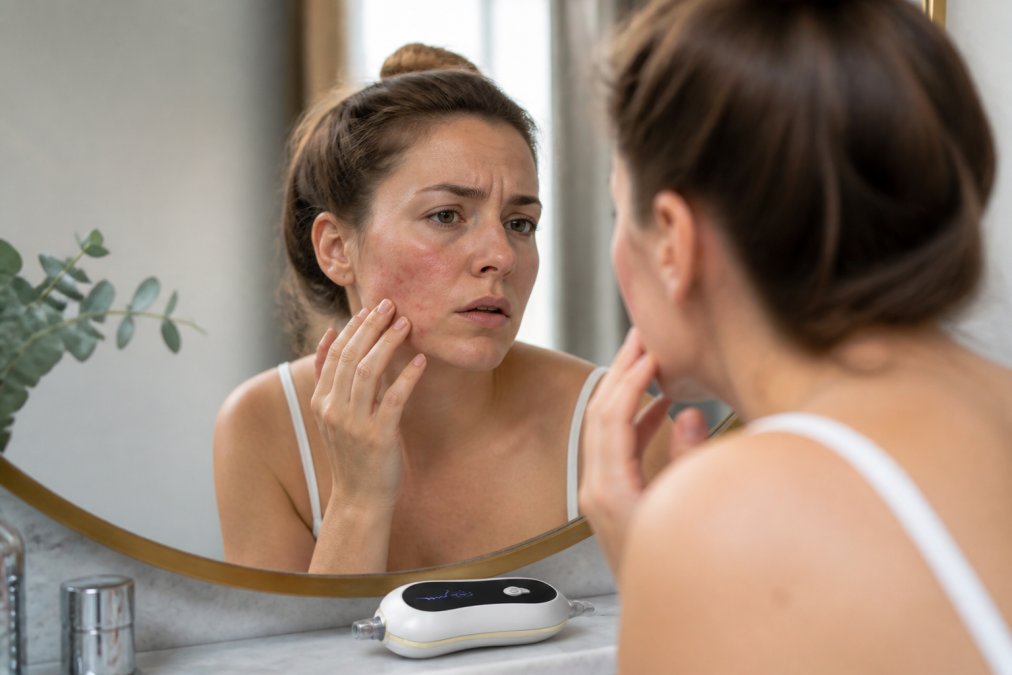
Botanical Ingredients to Avoid for Sensitive Skin
Certain botanical ingredients carry higher irritation risk, particularly for individuals with a history of sensitivity or reactive skin conditions. Understanding which botanicals to approach cautiously is essential when evaluating clean beauty products.
Essential oils are among the most common culprits. Oils derived from peppermint, eucalyptus, tea tree, and citrus varieties contain volatile compounds that can irritate skin, especially in concentrations above 1-2% ([EXTERNAL_LINK: peer-reviewed research on essential oil irritation | pmc.ncbi.nlm.nih.gov/articles/PMC8243157/]). Tea tree oil, despite its popularity in skincare, is a known irritant for many users. Peppermint and spearmint oils can trigger a cooling sensation that some find refreshing but others experience as burning or stinging. These oils are frequently used in clean beauty formulations because they offer antimicrobial and antioxidant benefits, yet their irritation potential is well-documented.
Botanical extracts with high tannin or phenol content can also be problematic. Witch hazel, commonly used in toners and astringents, contains volatile compounds and tannins that may irritate sensitive skin. Rose hip oil, despite its popularity in clean beauty, contains linoleic acid and vitamin A that can cause irritation if the skin barrier is compromised. Arnica, calendula, and chamomile, all traditional botanical ingredients, can trigger allergic contact dermatitis in susceptible individuals.
Citrus-derived ingredients warrant caution. Lemon extract, lime oil, and bergapten-containing citrus oils can increase photosensitivity and cause irritation, particularly when applied before sun exposure. Many clean beauty brands use citrus extracts for their antioxidant properties, but the irritation risk is often underplayed.
The issue intensifies when multiple botanical irritants are combined in a single formulation. A product containing essential oil, botanical extract, and plant-derived fragrance may accumulate irritation potential across ingredients, creating a formula that triggers reactions even though each ingredient individually might be tolerated in isolation.
How to Patch Test Skincare Products
Patch testing is the most reliable method for identifying whether a product will irritate your individual skin before applying it to your face. The process is straightforward but requires patience and careful observation.
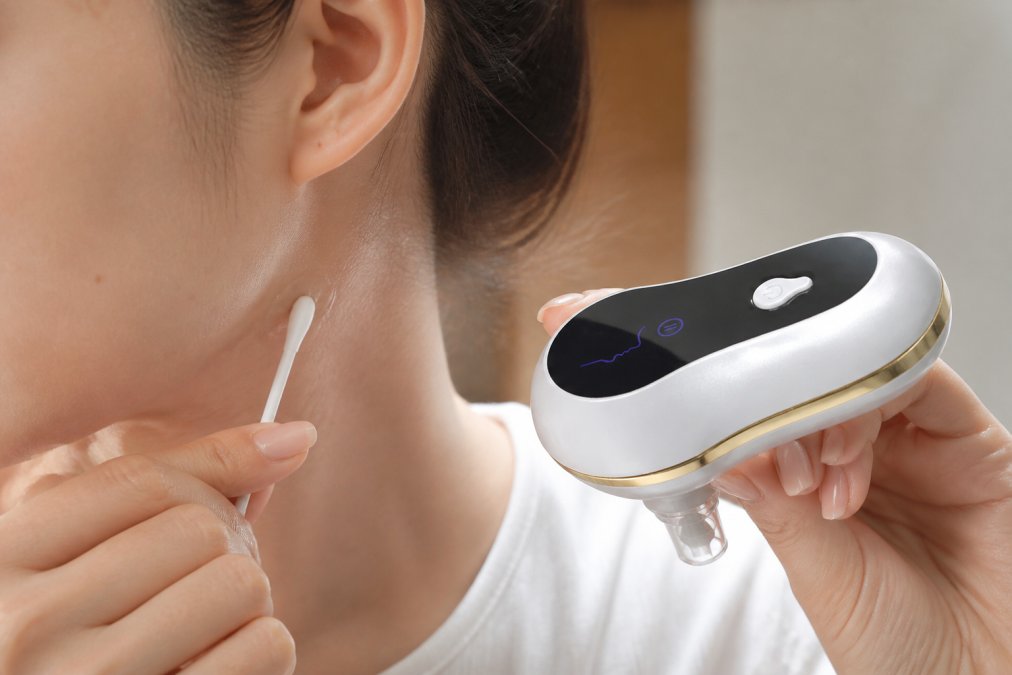
Begin by selecting a small, inconspicuous area of skin, the inner arm (near the wrist), behind the ear, or the jawline are ideal locations. These areas have thinner, more sensitive skin than other body regions, making them good proxies for facial sensitivity. Apply a small amount of the product, roughly the size of a grain of rice, to the test area. Do not rub or massage; simply place the product on the skin and allow it to absorb naturally.
Leave the product undisturbed for 24 to 48 hours. During this period, avoid washing the area, applying other products, or exposing it to direct sunlight. Monitor for any signs of reaction: redness, itching, burning, swelling, or a rash. Many irritation responses develop within the first 24 hours, though some delayed reactions (particularly allergic contact dermatitis) may take up to 48 hours to manifest.
If no reaction occurs after 48 hours, the product is likely safe for your skin. However, this does not guarantee that full-face application will be symptom-free. Some individuals develop reactions only after repeated application or when a product is used across a larger surface area. Consider doing a second test on a small facial area, perhaps a section of the cheek, before committing to full-face use.
Document your observations. Keep a simple log of products tested, dates, and results. This becomes invaluable if you develop a reaction later; you can identify which ingredient or product caused the problem by reviewing your records.
Signs of Allergic Reaction to Skincare
Recognising the early signs of an allergic or irritant reaction allows you to discontinue use before the reaction worsens. Skin reactions typically fall into two categories: allergic contact dermatitis (an immune-mediated response) and irritant contact dermatitis (a direct chemical irritation).
Allergic contact dermatitis often develops gradually, sometimes taking several applications before a visible reaction appears ([EXTERNAL_LINK: American Academy of Dermatology on contact dermatitis | aad.org/public/diseases/eczema/types/contact-dermatitis]). Early signs include mild itching or a slight warm sensation at the application site. As the reaction progresses, you may notice redness (erythema), swelling (oedema), or a raised rash. In more severe cases, blistering, oozing, or crusting can occur. Allergic reactions are often localised to the area where the product was applied, though they can spread if you touch other areas of your face or body.
Irritant contact dermatitis typically develops more quickly, sometimes within minutes to hours of application. The skin may feel burning or stinging, appear red, or develop a rash. Unlike allergic reactions, irritant reactions do not involve the immune system; they result from direct chemical damage to the skin barrier. Individuals with compromised skin barriers (from eczema, rosacea, or prior irritation) are particularly susceptible to irritant reactions.
Other signs to watch for include excessive dryness, flaking, or peeling beyond what you'd normally expect. Some products cause a delayed reaction that manifests as increased sensitivity over several days of use, the skin becomes progressively more reactive, even though the first application seemed fine.
If you experience any of these signs, discontinue the product immediately. Wash the affected area gently with lukewarm water and a fragrance-free cleanser. Avoid applying other products to the irritated area until the reaction resolves. If the reaction is severe, spreads rapidly, or doesn't improve within a few days, consult a dermatologist.
Choosing Clean Beauty That Actually Works
If you're committed to clean beauty products but have experienced irritation, the solution isn't to abandon clean beauty entirely, it's to choose formulations that prioritise skin barrier health and formulation stability alongside clean ingredients.
Look for products that include functional preservatives, even if they're not synthetic. Ingredients like sodium benzoate, potassium sorbate, or natural alternatives like rosemary extract serve a critical purpose: they prevent microbial growth and oxidative breakdown. A truly effective clean beauty product will be preserved adequately, even if the preservative system is derived from natural sources.
Prioritise products with lower botanical extract concentrations. A serum with 2-3% botanical actives is far less likely to irritate than one with 10-15%. Check ingredient lists for order; ingredients are listed by concentration, so if essential oil or botanical extract appears in the first five ingredients, the concentration is likely high enough to pose irritation risk.
Consider the pH of the product. Your skin's natural pH is slightly acidic (around 4.5 to 5.5) ([EXTERNAL_LINK: peer-reviewed research on skin pH | pubmed.ncbi.nlm.nih.gov/18489300/]). Products with a pH significantly above this range can disrupt the skin barrier and increase irritation risk. Clean beauty products that omit pH buffers are often more alkaline than conventional products, making them more likely to irritate.
Virelle beauty curates skincare products chosen for visible results without fillers or false promises. Our selection process prioritises formulation stability and ingredient safety alongside clean sourcing. Products like our EELHOE Bamboo Charcoal Blackhead Removal Peel-Off Mask combine effective actives, bamboo charcoal, kaolin clay, and aloe vera, in concentrations designed to deliver results without compromising skin barrier integrity.

When evaluating any clean beauty product, ask yourself: Does this brand explain their preservation system, or do they simply claim "preservative-free"? Are botanical ingredients listed with approximate concentrations? Has the brand conducted stability testing to ensure the formula remains safe throughout its shelf life? These questions separate genuinely thoughtful clean beauty from marketing-driven products.
Conclusion
Why clean beauty products cause irritation boils down to a simple truth: natural ingredients are not inherently safer, and the removal of conventional stabilising agents often creates formulation vulnerabilities. The clean beauty movement has created a marketing narrative that obscures the actual chemistry behind skin irritation. By understanding the mechanisms, oxidative breakdown, high botanical concentrations, inadequate preservation, and skin barrier disruption, you can make informed choices about which clean products will work for your skin and which will cause problems.
Virelle beauty is committed to curating skincare that delivers visible, tangible results without false promises. Our selection process prioritises formulation integrity, ingredient transparency, and skin barrier health. Explore our collection of carefully chosen skincare products, including our Gold Foil Snail Tear-Off Mask Hydrating for barrier support and our 7Colors LED Light Photon Face Mask for advanced skin rejuvenation, both formulated with skin safety in mind. Enjoy free UK shipping on orders over £30 and discover skincare that feels like a ritual because it actually works.


Frequently Asked Questions
Q: Why am I suddenly allergic to products I have used for years?
Skin sensitivity can develop over time due to repeated exposure, a damaged skin barrier, or changes in formulation. Botanical extracts and essential oils in clean beauty products can cause delayed allergic contact dermatitis even after prolonged use. If you've suddenly reacted to a familiar product, check if the formula has changed or if your skin barrier has been compromised by other products, environmental stress, or over-cleansing.
Q: How do I know if I'm having an allergic reaction to skincare versus irritant contact dermatitis?
Allergic contact dermatitis typically appears 24-72 hours after exposure and causes intense itching, rash, or swelling. Irritant contact dermatitis develops immediately or within hours and feels more like burning or stinging. Both can occur with clean beauty products containing botanical extracts or essential oils. If symptoms persist beyond a few hours after stopping use, consult a dermatologist. Patch testing can help identify which ingredient is responsible.
Q: Are preservative-free beauty products more likely to cause irritation?
Preservative-free products don't inherently cause more irritation, but they can become unstable over time. Oxidised botanical ingredients and essential oils in unpreserved formulas may trigger allergic contact dermatitis or skin sensitization. The real risk lies in ingredient choice, not preservation alone. Check storage conditions and expiry dates carefully, and patch test any product claiming to be preservative-free before full application.
Q: What should I do if my skin reacts to a clean beauty product?
Stop using the product immediately and rinse thoroughly with lukewarm water. Apply a fragrance-free moisturiser to support your skin barrier. Avoid other actives for 48 hours. If irritation persists beyond 24 hours, shows signs of allergic contact dermatitis (spreading rash, swelling, intense itching), or if you develop systemic symptoms, seek medical advice. Keep the product so you can identify the problematic ingredient and avoid it in future purchases.
This article was written using GrandRanker
0 comments